Arizona State Parks
Spots like Lost Dutchman at the foot of the Superstitions or Picacho Peak are Arizona State Parks, and they run a formal commercial photography permit program. Two things to plan around:
- Insurance is mandatory. You must provide a certificate of insurance for $1 million in general liability coverage, naming Arizona State Parks & Trails as both an additional insured and the certificate holder.
- Lead time is real. The agency asks you to allow up to 30 days for the application and approval process, though it tries to turn small, low-impact requests around faster.
Applications go to the State Parks public information office (pio@azstateparks.gov). Submitting an application doesn't guarantee approval, and fees must be paid in advance of your shoot date.
Federal land: the big 2025 change most photographers missed
This is where Phoenix photographers have the most room to get tripped up by old information — because the rules genuinely flipped in 2025.
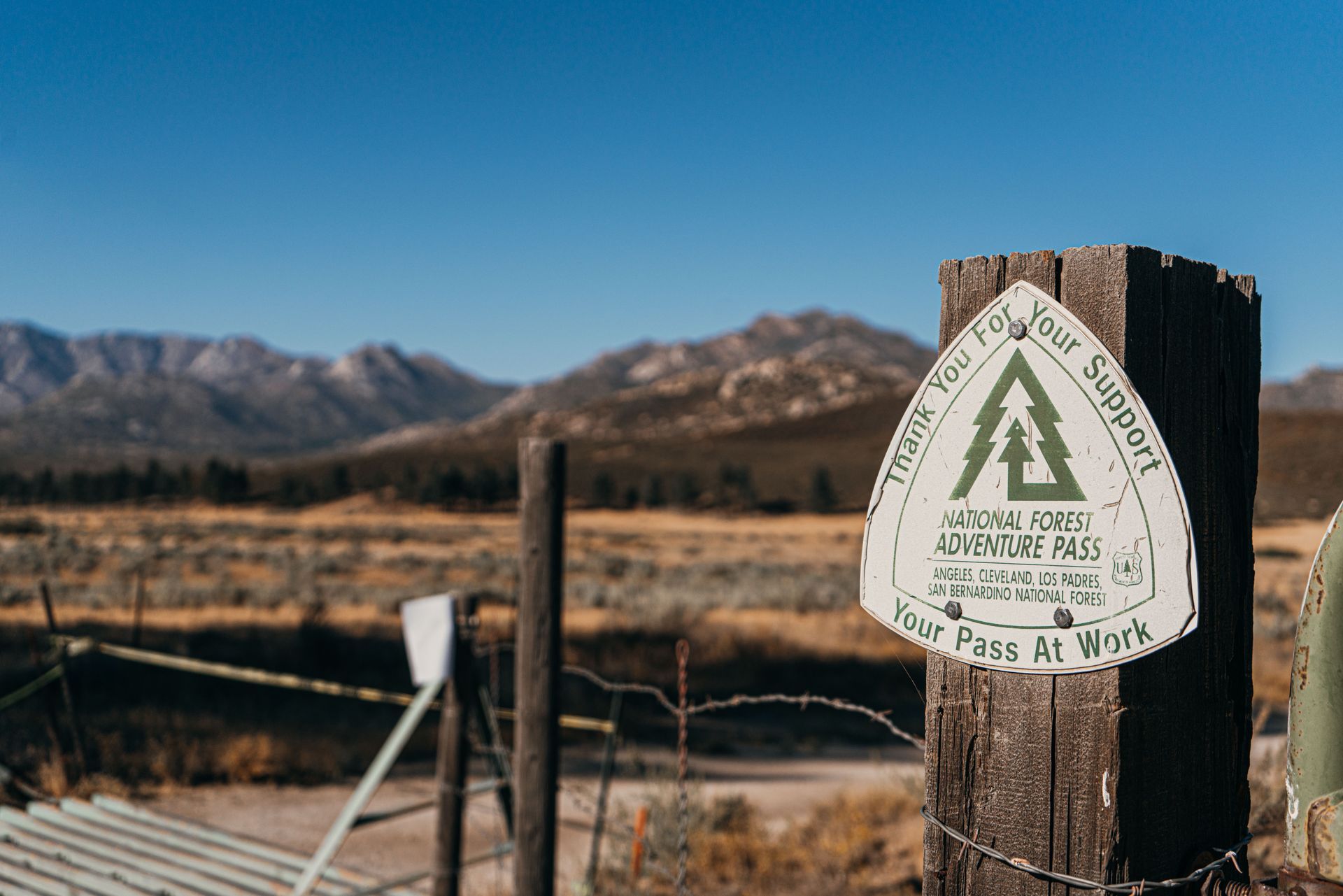
A huge amount of iconic Arizona scenery is federal: the Tonto National Forest (nearly 3 million acres wrapping the east Valley, the Superstitions, and the Salt River), Bureau of Land Management desert, and various national monuments. For decades, federal law required a permit and fee for any commercial filming or photography on this land.
That changed. On January 4, 2025, the EXPLORE Act became law, and tucked inside it was the Federal Interior Land Media (FILM) Act. It rewrote the rules in three ways that matter enormously to working photographers:
- Permits are now based on impact, not whether you're being paid. The old commercial-versus-personal distinction is gone. Receiving money for a shoot no longer, by itself, requires a permit.
- Crews of six or fewer are exempt from permits if they meet low-impact criteria — meaning you don't damage resources and you don't set up in spots that are typically crowded with other visitors.
- Photography and video are treated the same. No separate rules for stills versus footage.
For the vast majority of Phoenix wedding, engagement, and portrait shoots — one photographer, a couple or family, a quiet stretch of desert — this means no federal permit needed on most Tonto National Forest and BLM land. That's a real win.
But two important asterisks:
- Designated Wilderness Areas are different. Under the older Wilderness Act of 1964, commercial activity in formally designated wilderness is still restricted, and the FILM Act's small-crew exemption does not override it. The Salt River Canyon Wilderness, for example, plays by stricter rules. If your location is inside a designated wilderness, assume you still need authorization.
- The regulations are still being finalized. Congress passed the law, but the agencies are still writing the detailed rules that implement it, and some terms ("high-traffic," what counts toward the six-person limit) are still being clarified. Because of that uncertainty, the smart move is to call the specific forest or field office before relying on the exemption. A two-minute phone call beats a citation.
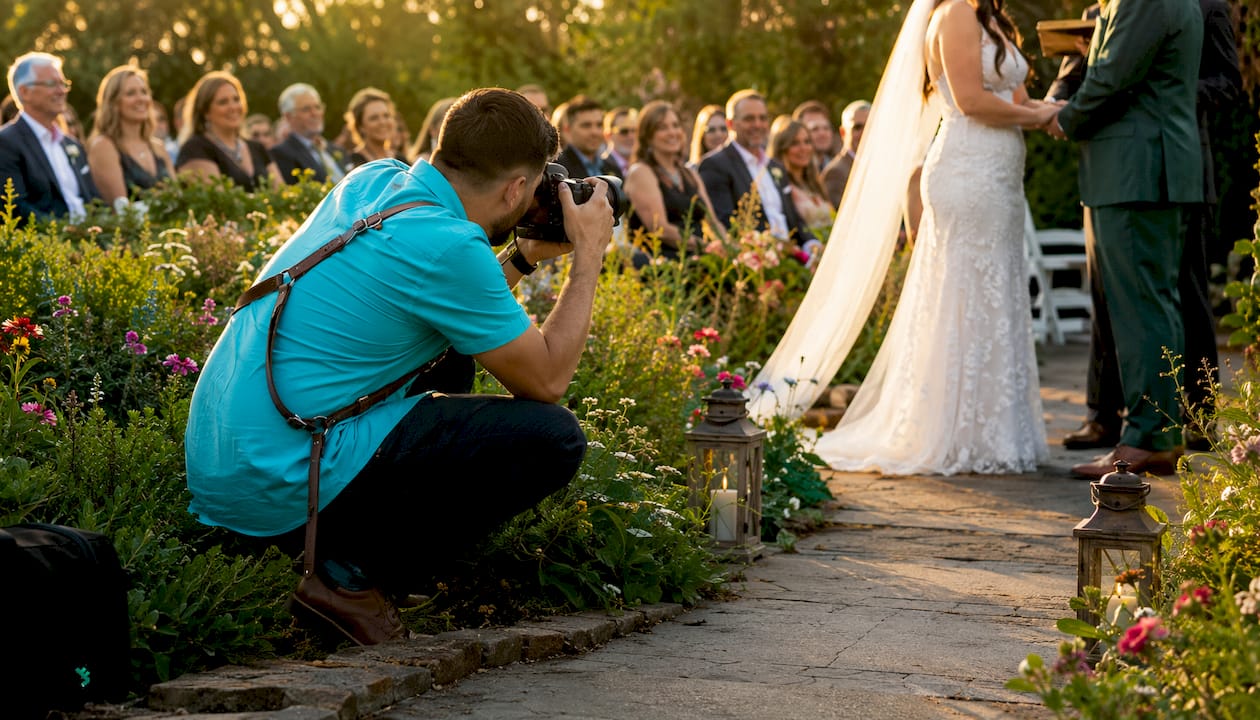
A note on weddings in the Tonto National Forest specifically: not every ceremony requires a permit, and there's no fee charged for the wedding itself. But if you use an established recreation site, standard day-use or per-vehicle passes apply, and the forest asks for about 30 days' notice plus a list of any equipment you're bringing in. Reach out to the forest's permit administrator early.
Tribal land
Several of the Valley's most striking landscapes sit on sovereign tribal land — the Salt River Pima-Maricopa Indian Community, the Fort McDowell Yavapai Nation, and the Gila River Indian Community among them. Federal, state, and county rules don't apply here. Commercial photography requires the approval of that tribe's own government, and each nation sets its own process and fees. Contact the specific tribe directly, and give yourself extra lead time.
Private venues, gardens, and resorts
Finally, plenty of bucket-list backdrops are privately owned, and they make their own rules entirely. The Desert Botanical Garden, Valley resorts like the Camelback Inn and the Wrigley Mansion, and most wedding venues all have their own photography policies, booking requirements, and fees — often including a session reservation or a vendor agreement for outside photographers.
There's no shortcut here: contact the venue directly, ask about their photography policy, and get any agreement in writing before you commit to a client. If you book your wedding or portrait session at a private venue, that venue's rules — not the city's permit — are what govern your shoot.
How to actually get a permit: a simple checklist
No matter which agency you're dealing with, the process follows the same rhythm:
- Identify who owns the land. This is the whole game. A single trail can cross city, county, and federal boundaries. When unsure, call.
- Apply early. Give yourself two to four weeks minimum. State Parks asks for up to 30 days; federal weddings, about 30; even simple city permits need processing time.
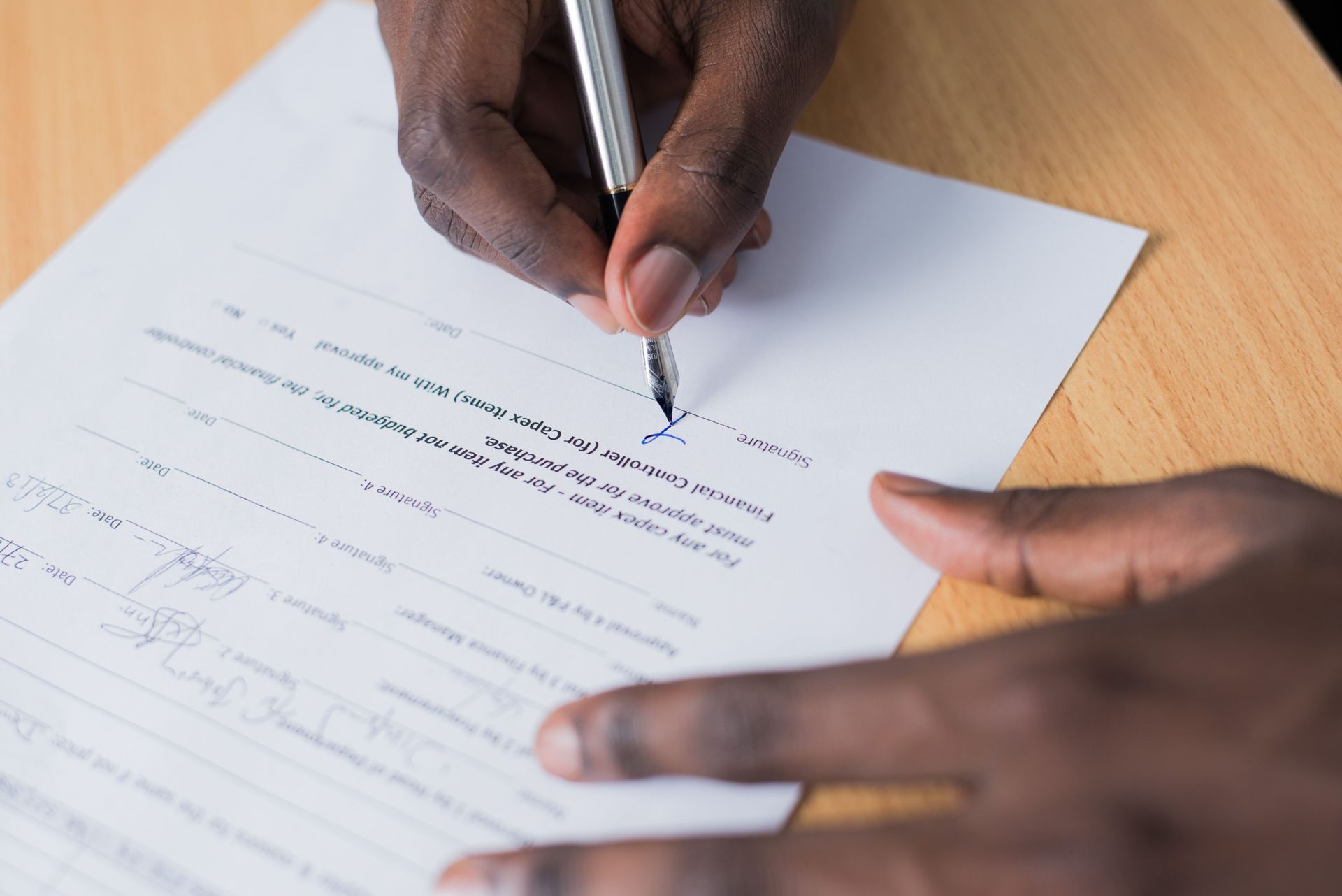
- Line up insurance. Many agencies — State Parks especially — require a $1 million liability certificate naming them as additional insured. If you don't carry commercial liability insurance yet, this is your sign to get it.
- Be specific on the application. Crew size, equipment, exact location, date, and time. More detail means faster approval.
- Pay in advance and keep your confirmation on you. Have the approved permit accessible on your phone the day of the shoot.
What happens if you skip it?
Shooting commercially without a required permit can get your session shut down on the spot, and agencies can issue citations and fines. Beyond the legal risk, there's the client relationship: nothing derails a wedding day faster than being asked to pack up mid-ceremony. A permit is cheap insurance for a day that can't be rescheduled.
Frequently asked questions
Do I need a permit for an engagement or family session at a Phoenix park? If you're paying a photographer or the images will be used commercially, yes — city parks fall under the Phoenix Film & Digital Media Permit, and county and state parks have their own commercial permits. Purely personal snapshots don't.
Does my wedding photographer handle the permit, or do I? It varies, so settle it early. At JFPhotos, securing the right permit is part of how we plan your session — but always confirm responsibility in writing with whatever photographer you hire so nothing falls through the cracks.
I'm shooting in the desert outside the city — am I free and clear? Often, but not always. Most of that "open desert" is Tonto National Forest, BLM, or state trust land, each with its own rules. Thanks to the 2025 FILM Act, small crews on most federal land are now exempt — but designated wilderness areas and tribal land still require authorization.
How much do Phoenix photography permits cost? City of Phoenix permits generally range from about $40 to $200. County and state fees vary and changed recently (Maricopa County raised its fees in January 2026), so always confirm the current amount when you apply.
How far in advance should I apply? Two to four weeks at minimum. Arizona State Parks asks for up to 30 days, and insurance paperwork can add time. The earlier, the better.
Let us handle the logistics
Permits, insurance, lead times, and figuring out who owns which patch of desert — it's a lot to manage on top of planning a wedding or a shoot. That's exactly the part we take off your plate. We know these locations, we know the agencies, and we build the permitting timeline right into your session so the only thing you have to think about is showing up and looking great.
Planning a session at one of Phoenix's iconic spots?
Get in touch with JFPhotos and we'll help you choose the perfect location — paperwork included. Explore our
wedding,
portrait, and
event photography services to see where we can take your next shoot.