

What Is a Headshot Photography Brief? 2026 Guide

A headshot photography brief is a written document that defines the purpose, style, deliverables, and logistics of a headshot session to align client and photographer expectations before a single frame is captured. Think of it as the industry’s standard term for what some call a “photography creative brief” or “shoot brief.” Without one, even the most skilled photographer is guessing at your goals. The brief covers core elements like intended usage platforms such as LinkedIn or a corporate website, brand tone keywords, technical specifications, and scheduling details. Getting this document right is the single most reliable way to walk away from a session with images that actually serve your professional or business goals.
What is a headshot photography brief and why does it matter?
A headshot photography brief is a project-specific summary outlining purpose, brand identity, deliverables, and logistical requirements so both the client and photographer enter the session with shared expectations. This definition matters because it separates a productive session from a costly one. When a brief is absent, photographers default to generic poses and safe expressions that look technically correct but communicate nothing specific about you or your brand.
The importance of headshot photography extends well beyond aesthetics. A headshot is a piece of visual communication where capturing brand personality requires a clear exchange between subject and photographer. For professionals, that image appears on LinkedIn profiles, speaker bios, press releases, and company websites. Each platform carries different cropping requirements and audience expectations, which means the brief must account for where the image will live and what it needs to say when it gets there.
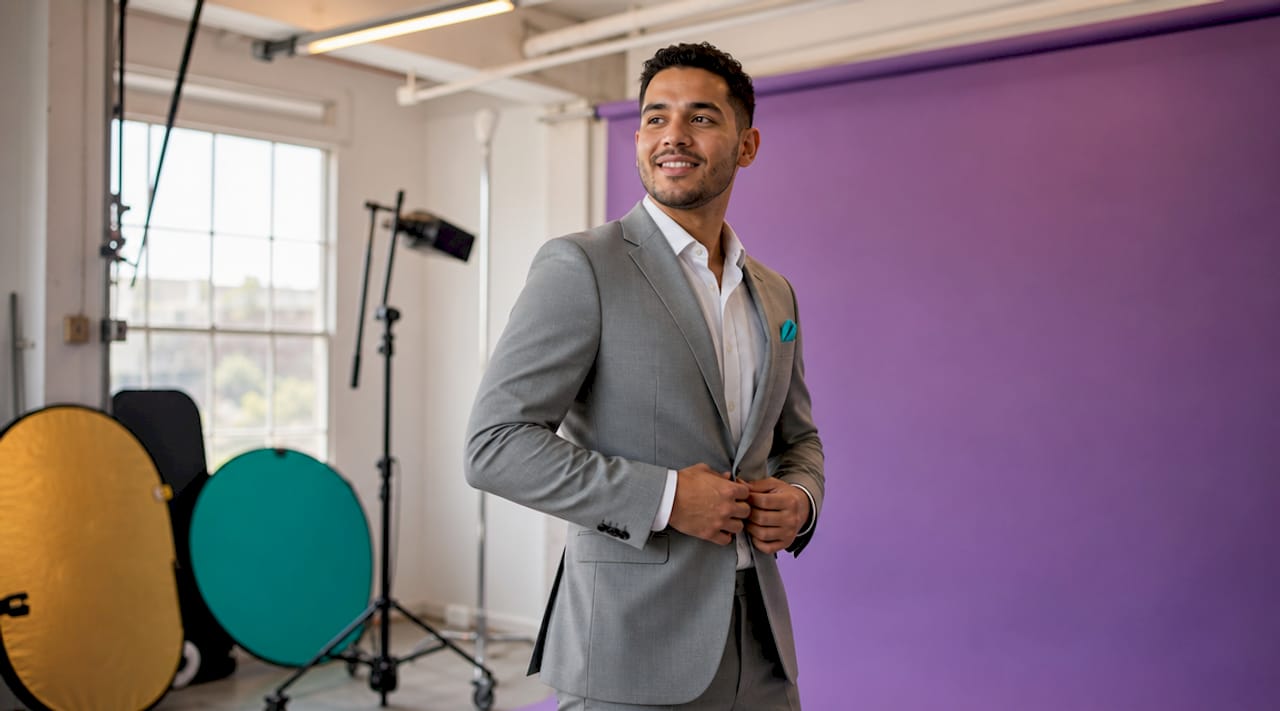
A well-written brief also protects your investment. Reshoots are expensive in both time and money. When you specify your goals upfront, the photographer can prepare lighting setups, scout locations, and plan expression coaching that fits your exact needs.
What components should be included in a headshot brief?
Every effective headshot session checklist starts with six core categories. Here is what each one should contain.
1. Purpose and goal of the shoot State clearly why you need these images. Are they for a LinkedIn profile update, a company website rebrand, a speaking engagement bio, or a press kit? The goal shapes every other decision in the brief.
2. Target audience and intended tone Describe who will see these photos and what impression they should form. A startup founder targeting venture capital audiences needs to project confidence and credibility. A therapist targeting individual clients needs warmth and approachability. These are not the same brief.
3. Brand or personal style keywords List three to five adjectives that describe the look and feel you want. Words like “authoritative,” “approachable,” “polished,” or “creative” give the photographer a reference point for directing your expression and selecting backgrounds.
4. Technical specifications Include preferences for background color or texture, lighting style (natural, studio, environmental), and retouching scope. Specify whether you want a clean white background for corporate use or an outdoor Phoenix setting for a more personal brand feel.
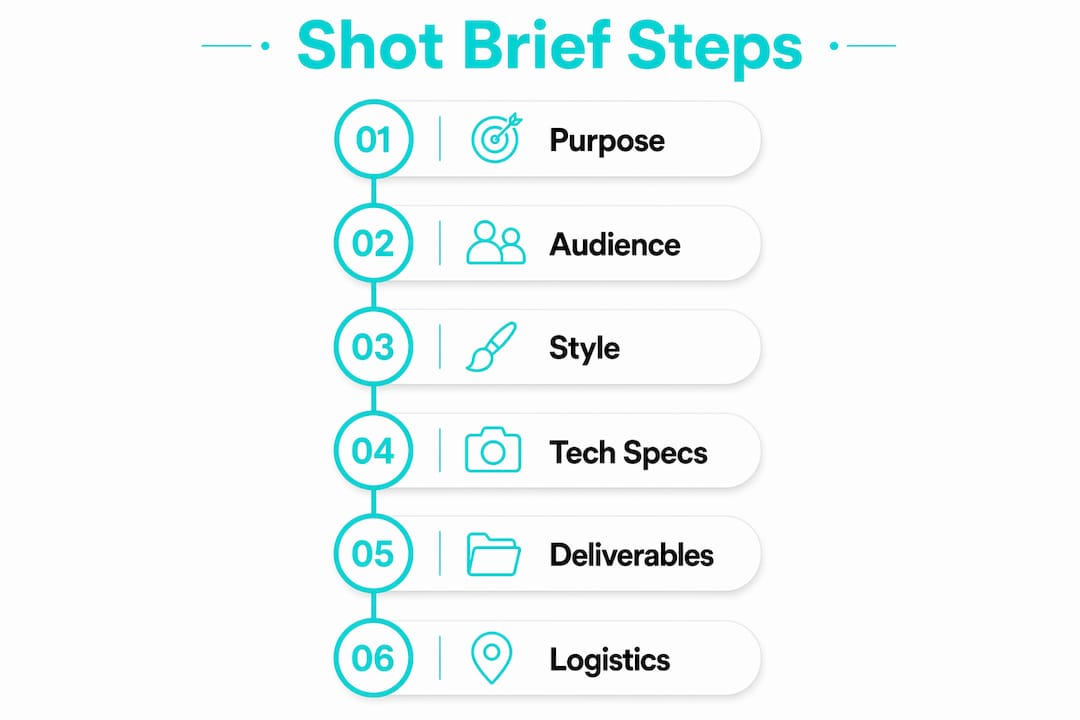
5. Deliverables and usage rights Specify the number of final edited images, preferred file formats (JPEG, PNG, TIFF), required aspect ratios, and whether you need print-ready or web-optimized files. Also clarify usage rights, particularly if the images will appear in paid advertising.
6. Logistical details Include the shoot date, location address, wardrobe guidance, and a primary contact for day-of coordination. If the session involves multiple people, add a schedule with individual time slots.
Pro Tip: Reference two or three inspiration images when submitting your brief. Concrete visual examples communicate style preferences far more precisely than adjectives alone.
How do individual and corporate headshot briefs differ?
Individual and corporate briefs share the same structure but differ significantly in scope, consistency requirements, and the role of a style guide.
| Element | Individual brief | Corporate brief |
|---|---|---|
| Primary focus | Personal brand, unique expression, specific usage | Team-wide visual consistency across many employees |
| Style guide needed | Optional but helpful | Required for repeatable results |
| Technical parameters | Flexible, session-specific | Fixed: lighting, background, retouching, file naming |
| Future scalability | Not a concern | Critical for onboarding new hires |
| Coordination complexity | Low (one subject) | High (scheduling, wardrobe, multi-location logistics) |
For individuals, the brief is a personal creative document. You define your own brand keywords, choose the platform where the image will appear, and select a style that reflects your personality. The photographer has room to adapt in real time.
Corporate briefs operate differently. Corporate headshot style guides require specifications for background, lighting, retouching standards, and file naming to maintain visual consistency across teams. This matters because a company’s website or annual report looks unprofessional when headshots vary wildly in color temperature, cropping, and background. A style guide solves that problem by locking in parameters that any photographer can replicate, even years later when new employees join.
Corporate style guides are living documents that enable consistent imagery and ease integration of new team members’ portraits over time. That means the brief you create today should be detailed enough to hand to a photographer in 2028 and get the same results.
Pro Tip: For corporate sessions, include a sample edited image in the style guide so future photographers have a visual benchmark, not just written descriptions.
What are common mistakes when writing a headshot brief?
Most briefs fail in one of two directions. Clients tend to be either too vague or overly technical about camera settings. Both approaches undermine the photographer’s ability to deliver what you actually need.
Here are the most common mistakes and how to correct them:
- Vague tone descriptions. Writing “I want to look professional” tells the photographer nothing. Specify whether “professional” means formal and serious or polished and approachable. These require completely different direction.
- Specifying camera settings. Telling a photographer to shoot at f/2.8 or use a 50mm lens shifts focus to equipment rather than outcome. Leave technical execution to the photographer and focus on the emotional and brand message you want to convey.
- Omitting usage and cropping details. A headshot for LinkedIn needs a square crop with the face centered. A headshot for a website banner may need negative space on one side for text overlay. Specifying cropping and platform needs prevents framing problems that make images unusable.
- Skipping logistical details. Missing wardrobe guidance leads to subjects arriving in colors that clash with the background. Missing a schedule for team shoots causes delays that compress everyone’s session time.
- Ignoring emotional tone and expression coaching. Without clear emotional tone keywords, photographers default to safe but generic expressions. Specifying “warm and direct eye contact” or “confident but relaxed” gives the photographer a coaching script.
“The best briefs focus on intended communication goals instead of camera technicalities, fostering effective collaboration with photographers.” — Ally Whitlock Photography
How to write a headshot photography brief step by step
Creating a photography brief does not require a template. It requires a clear sequence of decisions. Follow these steps to build one that works.
-
Clarify your objective. Write one sentence that answers: what do these photos need to accomplish? “I need updated headshots for my LinkedIn profile and speaker bio that position me as a credible financial advisor to high-net-worth clients.” That sentence alone guides every other decision.
-
Define your audience. Identify who will see the images and what action you want them to take. Investors, hiring managers, and therapy clients all respond to different visual cues. Your audience definition shapes the tone, wardrobe, and setting.
-
Select style keywords. Choose three to five adjectives. Write them down and share them with your photographer before the session. These words become the brief’s emotional core and the photographer’s direction tool during the shoot.
-
Decide technical parameters. Specify background preference, lighting style, and retouching scope. If you need images for both print and digital, note the resolution requirements. For corporate sessions, lock these parameters into a style guide so they are repeatable.
-
List your deliverables. State the number of final edited images, file formats, and any specific crops or aspect ratios required. A successful brief clarifies goals, usage, and deliverables to prevent miscommunication and costly shoot delays.
-
Add logistical details. Include the date, time, location, wardrobe guidance, and a contact name for day-of questions. For team shoots, attach a subject schedule with individual time slots.
-
Gather reference images. Pull two to four inspiration images from LinkedIn, company websites, or photography portfolios. Share them with your photographer at least one week before the session so they can prepare lighting and location accordingly.
Pro Tip: Send your draft brief to the photographer before finalizing it. A five-minute review call can surface gaps you did not notice and gives the photographer a chance to flag any logistical conflicts early.
You can find additional guidance on photography tips and preparation through the JFPhotos blog, which covers practical session planning for professionals and businesses across Phoenix.
Key takeaways
A headshot photography brief is the single most effective tool for ensuring your session produces images that match your professional goals, brand tone, and technical requirements.
| Point | Details |
|---|---|
| Define the brief upfront | A written brief aligns client and photographer before the session begins, preventing costly reshoots. |
| Include six core components | Cover purpose, audience, style keywords, technical specs, deliverables, and logistics in every brief. |
| Corporate briefs need style guides | Lock in lighting, background, retouching, and file naming parameters for team-wide consistency. |
| Avoid vague or technical language | Focus on communication goals and emotional tone rather than camera settings or generic descriptors. |
| Use an outcome-first approach | Imagine the final use case first, then specify cropping, aspect ratio, and platform requirements. |
Why the brief is the most underrated tool in professional photography
After working with professionals and businesses across Phoenix for over a decade, I can tell you that the brief is where most sessions are won or lost. Not on the day of the shoot. Not in post-production. In the document you send before any of that happens.
What surprises most clients is how much the brief changes the photographer’s behavior on set. When I receive a brief that includes emotional tone keywords like “confident but accessible” alongside two or three reference images, I can direct expressions with specific language rather than vague encouragement. That specificity produces authentic images instead of posed ones.
The other thing I have learned is that headshot photography blends psychology and technique. A clear brief empowers the photographer to coach expression and set framing tailored to each professional context. Most clients think about what they will wear. The brief forces them to think about what they want to communicate. That shift in thinking produces dramatically better results.
For corporate clients, I always recommend treating the style guide as a permanent asset, not a one-time document. The companies that maintain detailed headshot photography guidelines spend less time briefing photographers on repeat sessions and maintain a more polished public image over time. One well-built brief can serve a company for years.
The most overlooked element in any brief is the expression coaching note. A single sentence like “direct eye contact, slight smile, relaxed shoulders” gives the photographer a script that transforms how they interact with your subjects on set.
— Justin
Work with JFPhotos for your next headshot session
JFPhotos brings over a decade of professional photography experience to every headshot session in Phoenix, AZ. Whether you are an individual updating your LinkedIn profile or a business coordinating team portraits, the team at JFPhotos works with you to clarify your goals, define your style, and deliver images that represent you accurately and professionally. Every session starts with a briefing consultation so your shoot is planned before you arrive. Explore portrait photography services tailored to professionals and businesses, or visit the full services page to find the right session format for your needs. Ready to get started? Book your session with JFPhotos today.
FAQ
What is a headshot photography brief?
A headshot photography brief is a written document that outlines the purpose, style, deliverables, and logistics of a headshot session to align client and photographer expectations. It typically covers usage platforms, brand tone keywords, technical specifications, and scheduling details.
What should be included in a headshot brief?
A headshot brief should include the shoot’s purpose, target audience, style keywords, technical specifications such as background and lighting, deliverables including file formats and crops, and logistical details like date, location, and wardrobe guidance.
How does a corporate headshot brief differ from an individual one?
Corporate briefs require a style guide with fixed parameters for lighting, background, retouching, and file naming to maintain visual consistency across teams. Individual briefs are more flexible and focus on personal brand expression and specific usage platforms.
Why is emotional tone important in a headshot brief?
Specifying emotional tone gives the photographer a coaching script for directing expressions during the session. Without it, photographers default to generic expressions that look technically correct but fail to communicate your specific brand personality.
How do I write a headshot photography brief for LinkedIn?
Start with your objective, identify your audience, select three to five style keywords, and specify a square crop with centered framing. Note that LinkedIn headshots carry unique stakes as first impressions, so include reference images and confirm retouching preferences before the session.
Recommended
Recent Posts