

Types of Wedding Photography Styles: 2026 Couple’s Guide
Wedding photography style is defined as the combination of visual aesthetic and the photographer’s approach to directing, posing, and capturing moments on your wedding day. The types of wedding photography styles you choose shape not just how your photos look, but how your entire day feels while the camera is present. Traditional, documentary, editorial, fine art, and a growing range of niche styles each offer a completely different experience. Choosing the right style depends on your personality, venue, and the emotions you want to relive decades from now. This guide breaks down every major style so you can walk into photographer consultations knowing exactly what to ask for.
1. Traditional wedding photography style
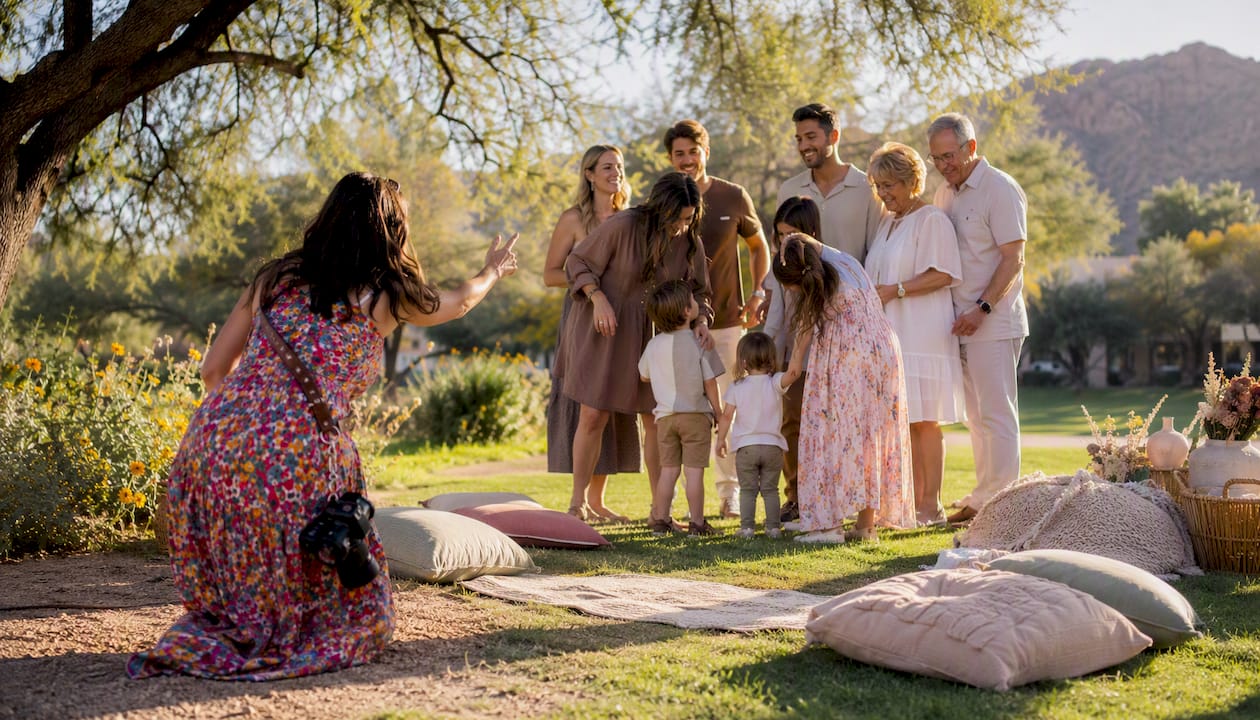
Traditional wedding photography focuses on posed portraits and group shots with balanced lighting, producing classic, timeless images that have anchored wedding albums for generations. This style pairs naturally with formal ceremonies and large family gatherings where structure and elegance matter most.
Key characteristics of traditional style include:
- Formal posing: The photographer directs couples, wedding parties, and families into specific positions for each shot.
- Balanced, consistent lighting: Flash use is common to produce clean, evenly lit images regardless of venue conditions.
- Classic compositions: Symmetry, centered subjects, and clear framing define the visual language.
- Comprehensive coverage: Every key group combination gets documented, from immediate family to extended relatives.
Traditional photography works best when you have a large guest list, a formal venue like a cathedral or ballroom, and family members who expect to see themselves in the album. The organized nature of this style also means fewer surprises in your final gallery. Photos stand the test of time precisely because they avoid trendy editing or unconventional angles.
Pro Tip: Ask your photographer to create a shot list for family groupings before the wedding day. Sharing it with a family point-of-contact speeds up the formal portrait session by 30 to 40 minutes.
2. Documentary (photojournalistic) wedding photography
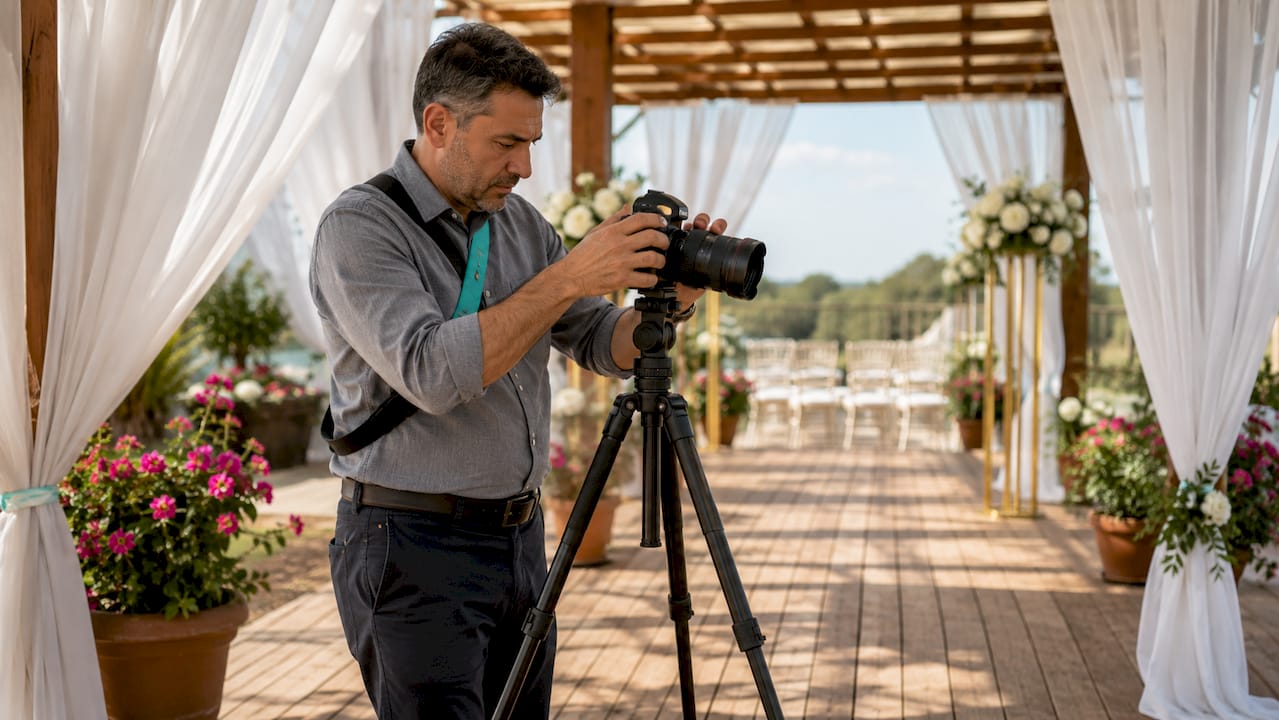
Documentary wedding photography, also called photojournalistic wedding photography, aims to tell the wedding day story authentically using ambient light and natural moments with minimal interference. The photographer operates as a fly-on-the-wall observer, capturing real emotions as they unfold rather than staging them.
“The best documentary wedding images are the ones the couple didn’t know were being taken. Those are the frames that make people cry at the album reveal.” — common sentiment among photojournalistic photographers
What defines this approach:
- No posing or direction during key moments: Vows, first looks, and reception dances are captured as they happen.
- Natural and ambient light: Window light, candles, and outdoor settings are used to preserve the mood of each scene.
- Black and white processing: Many documentary photographers convert emotional frames to black and white to amplify feeling.
- Story sequencing: The final gallery reads like a narrative, with a clear beginning, middle, and end.
Photography style impacts both the visual outcome and how much the photographer directs or intervenes during the wedding. Documentary style sits at the minimal-intervention end of that spectrum, which means couples who feel uncomfortable being posed will find it far more relaxing.
Pro Tip: If you want documentary coverage, tell your photographer explicitly that you prefer they not interrupt moments to reposition you. Setting that expectation upfront produces more authentic results.
3. Editorial and fine art wedding photography styles compared
Editorial and fine art styles both produce gallery-worthy images, but they achieve that quality through opposite approaches. Understanding the difference helps you decide which visual language fits your wedding.
Editorial style produces magazine-like images with dramatic compositions and requires frequent posing and controlled lighting. Fine art wedding photography, by contrast, is characterized by light, airy aesthetics often using film for grainy texture and a high-end, romantic feel.
| Feature | Editorial style | Fine art style |
|---|---|---|
| Lighting | Controlled, dramatic, often artificial | Natural light, soft and diffused |
| Color palette | Bold contrasts, deep tones | Pastel, bright, airy tones |
| Posing level | High, fashion-forward direction | Moderate, relaxed and romantic |
| Best venue fit | Upscale hotels, industrial spaces, gardens | Outdoor settings, vineyards, light-filled venues |
| Film vs. digital | Primarily digital | Often shot on film or film-emulation presets |
| Mood | Sophisticated, glamorous | Romantic, dreamy, artistic |
Both styles require more time and photographer direction than documentary coverage. Budget an extra 30 to 60 minutes for portrait sessions if you choose either approach. Couples who want their photos to look like they belong in Vogue or Martha Stewart Weddings gravitate toward editorial. Couples who want soft, romantic imagery with an artistic quality lean toward fine art.
Pro Tip: Request a photographer’s portfolio filtered specifically by venue type. An editorial photographer who excels in industrial lofts may not produce the same results in a garden setting. Match portfolio to your venue before booking.
4. Dark and moody wedding photography
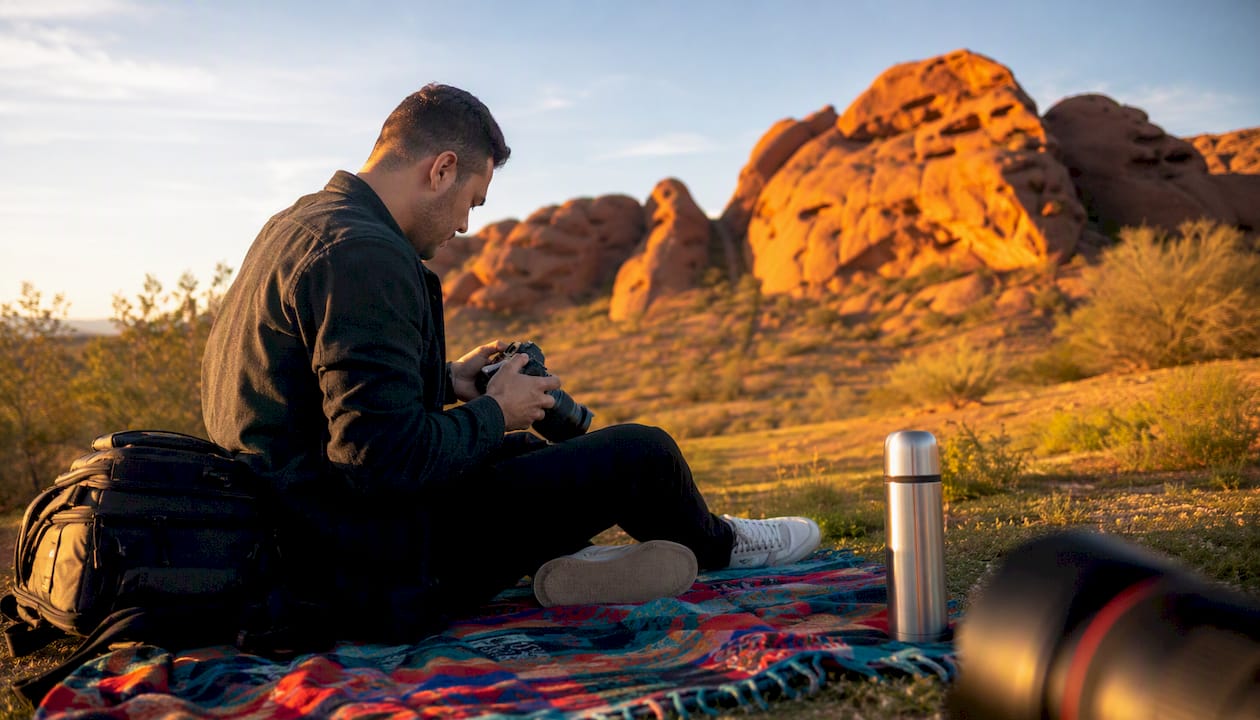
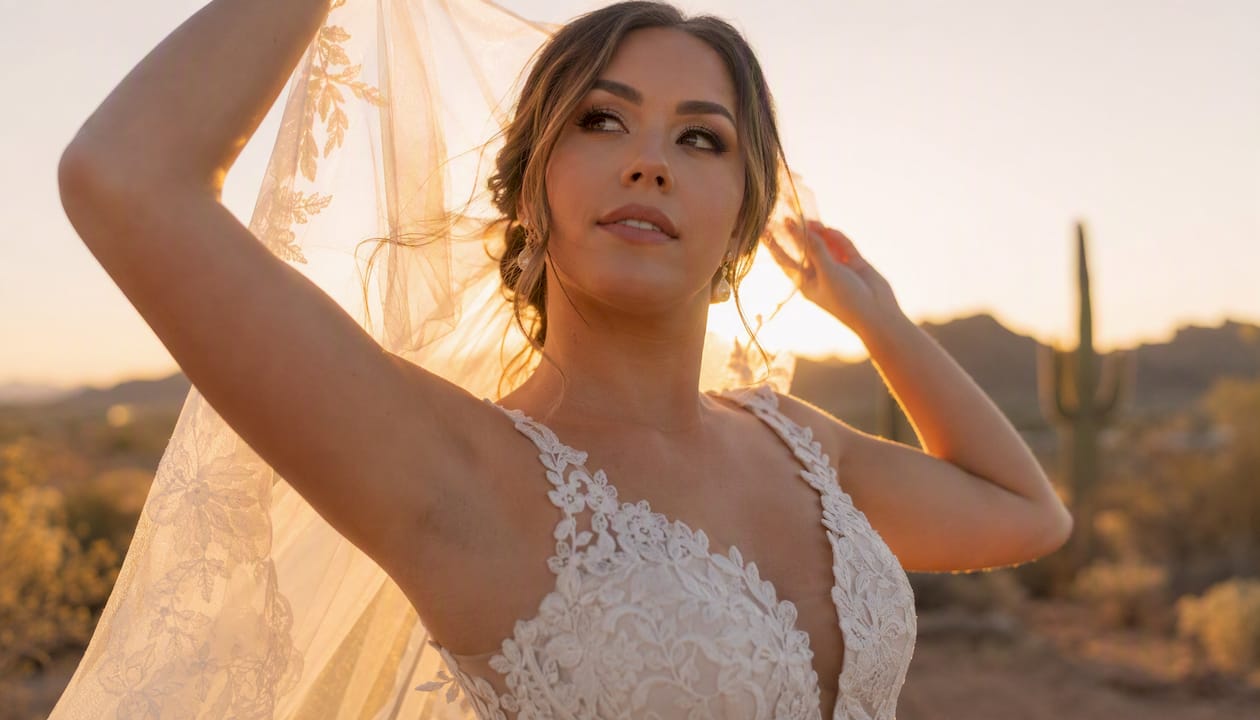
Dark and moody wedding photography uses low light and warm tones to create dramatic, atmospheric photos with deep emotional weight. This style has been trending strongly for couples seeking images that feel cinematic rather than bright and cheerful.
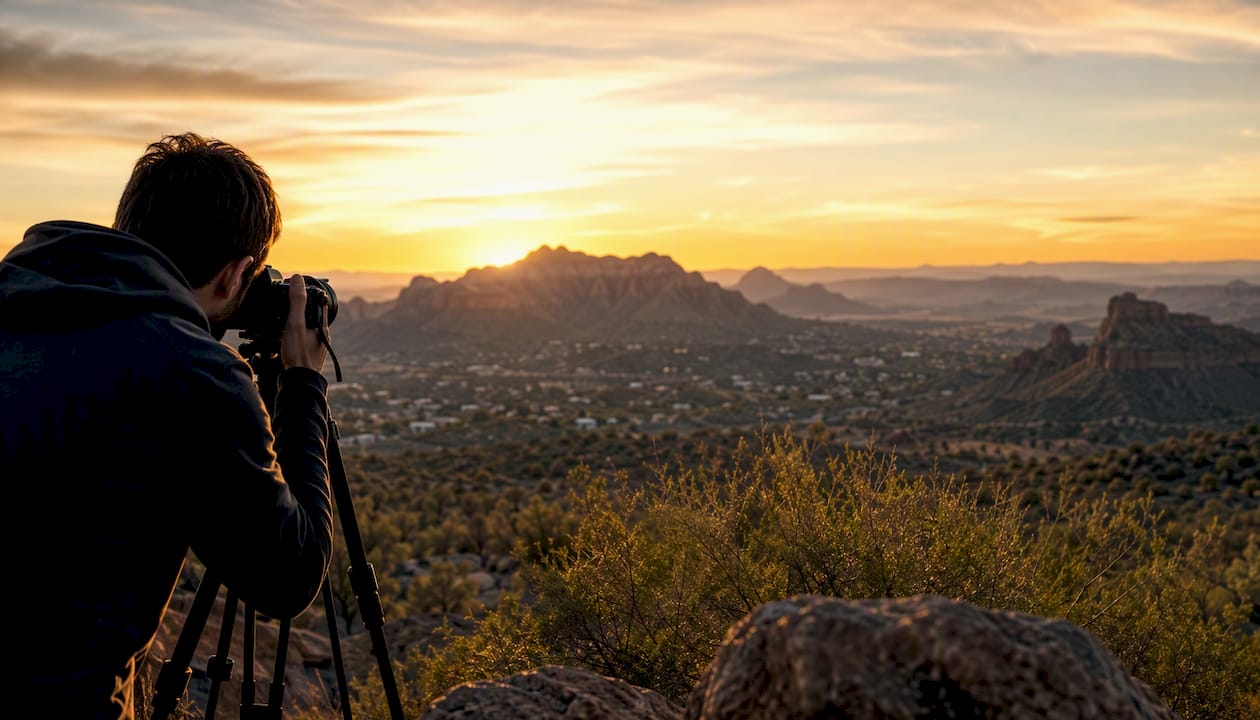
The technical approach involves underexposing images intentionally, pulling shadows toward warm amber or deep green tones in post-processing, and favoring backlit or side-lit scenes. Golden hour at outdoor venues, candlelit receptions, and forest settings all produce ideal conditions for this style. The result is a gallery that feels more like a film still than a traditional wedding photo.
Dark and moody works best when your wedding has a specific atmosphere: think intimate barn weddings, desert ceremonies at dusk, or gothic-inspired venues. It is not the right fit for bright, airy venues with white walls and abundant natural light, since the editing approach fights against that environment rather than working with it.
5. Lifestyle wedding photography
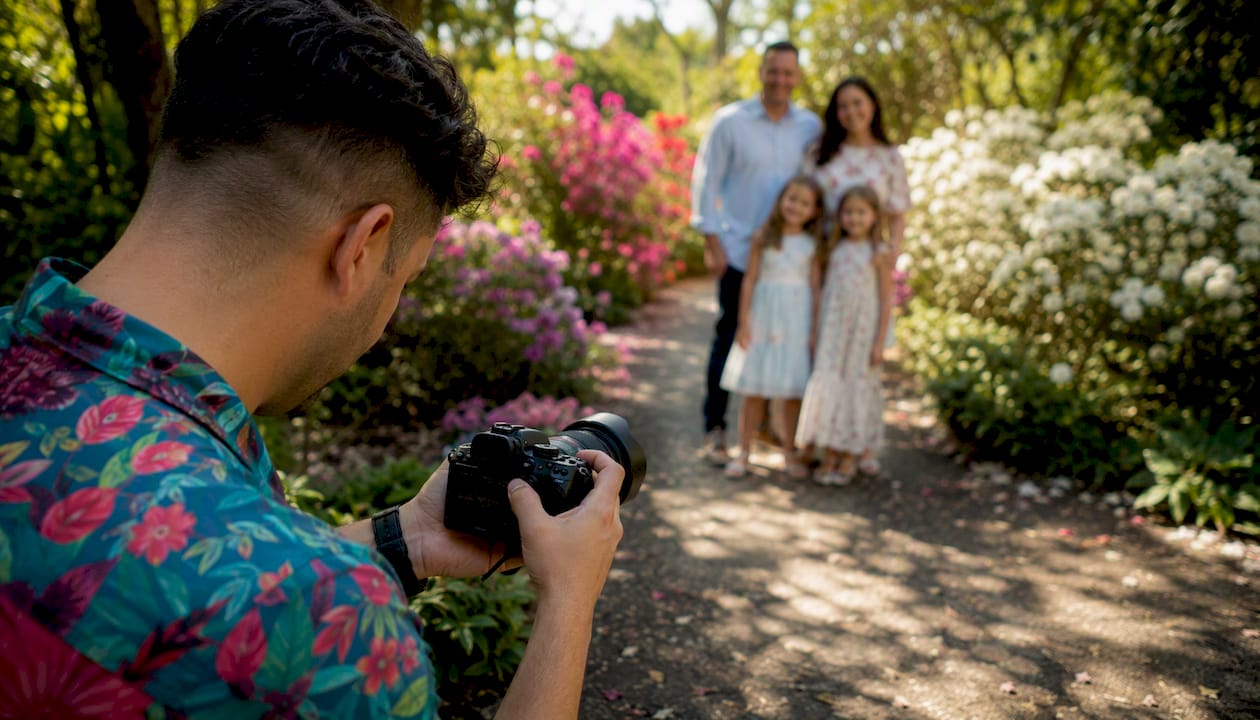
Lifestyle photography blends candid and lightly directed moments to produce natural, romantic images without the rigidity of traditional posing or the complete hands-off approach of documentary. The photographer suggests loose scenarios, such as walking together, laughing, or sharing a quiet moment, then captures what happens naturally within that framework.
This style suits couples who want genuine emotion in their photos but feel awkward being completely unguided. It is particularly popular for engagement sessions and getting-ready coverage, where the day has a natural rhythm the photographer can work within. Many photographers who describe themselves as “candid” are actually practicing lifestyle photography, so ask specifically what level of direction they provide.
6. Drone and aerial wedding photography
Drone photography adds a spectacular perspective that no ground-based camera can replicate, capturing the scale of your venue, the surrounding landscape, and large group formations from above. For Arizona couples, aerial shots of desert ceremony sites, mountain backdrops, or sprawling resort properties produce images that are genuinely impossible to achieve any other way.
Drone coverage works as a complement to a primary style rather than a standalone approach. Most couples add drone shots for venue establishing images, the ceremony from above, and grand exit moments. One practical note: outdoor venues require FAA compliance and, in some locations, photography permits before a drone can legally fly. Confirm your photographer handles this before the wedding day.
7. Colorful and vibrant wedding photography
Colorful wedding photography prioritizes rich, saturated tones to reflect the energy of lively, festive celebrations. Rather than muting colors in post-processing, the photographer and editor amplify them, making florals pop, skin tones glow, and reception lighting feel electric.
This style suits outdoor summer weddings, destination celebrations, multicultural ceremonies with vibrant attire, and any couple whose wedding aesthetic centers on bold color choices. It is the opposite of dark and moody in both technical execution and emotional output. If your wedding palette features jewel tones, tropical colors, or bright florals, a colorful photography style reinforces rather than contradicts your design choices.
8. How to choose the best wedding photography style for your day
Choosing the right style depends on your desired feeling and personality more than the style label itself. Use this framework to narrow your decision:
- Ask how you want to feel viewing your photos in 20 years. Timeless and classic points toward traditional. Raw and emotional points toward documentary. Artistic and romantic points toward fine art.
- Assess your comfort with posing. If being directed by a photographer sounds stressful, documentary or lifestyle will produce better results than editorial.
- Match style to venue. A dark and moody photographer in a bright white ballroom will struggle. An editorial photographer in a candlelit industrial space will thrive.
- Ask about photographer interaction style during portraits and ceremonies. This question reveals whether they direct or observe, which matters as much as their editing aesthetic.
- Review full wedding galleries, not just highlight images. A curated portfolio of 20 images hides how a photographer handles less photogenic moments.
- Consider blending styles. Many photographers offer hybrid coverage: documentary during the ceremony, editorial during portraits, and lifestyle during the reception. Post-pandemic wedding photography emphasizes exactly this kind of storytelling blend to suit modern couples.
- Account for time. Editorial and fine art portraits require 60 to 90 minutes of dedicated shooting time. Documentary coverage needs almost none. Build your timeline accordingly.
Pro Tip: Request three to five full wedding galleries from any photographer you are seriously considering. Full galleries show consistency, not just peak moments.
Key takeaways
The most effective way to choose a wedding photography style is to match the photographer’s direction level and editing aesthetic to your personality, venue, and the emotional tone you want preserved.
| Point | Details |
|---|---|
| Style defines the experience | Photography style shapes how your day feels while shooting, not just how photos look afterward. |
| Documentary vs. editorial | Documentary is candid and observational; editorial is posed and magazine-inspired. Know which fits your comfort level. |
| Fine art and film | Fine art style uses natural light and often film to produce romantic, airy images popular with artistic couples. |
| Niche styles need the right venue | Dark and moody, drone, and colorful styles work best when the venue and wedding aesthetic actively support them. |
| Ask about direction level | Always ask photographers how much they direct versus observe. This single question reveals more than portfolio style alone. |
Why style labels matter less than you think
After years of photographing weddings across Phoenix and the broader Arizona desert, I have watched couples get fixated on style labels in ways that sometimes work against them. A couple books a fine art photographer because they love the soft, airy look, then spends their portrait session in a harsh midday sun location that makes achieving that look nearly impossible. The label was right. The execution conditions were not.
The wedding photography industry now prioritizes storytelling, blending styles and candid moments to fit modern couples’ varied weddings and preferences. That shift is real, and it is a good thing. But it also means the photographer’s judgment and adaptability matter more than ever. A skilled photographer working in a hybrid documentary and editorial style will outperform a rigid specialist every time, because weddings are unpredictable.
My honest recommendation: spend as much time evaluating how a photographer communicates and problem-solves as you do studying their portfolio. Ask them what they do when the timeline runs late and portrait time gets cut. Ask how they handle a venue with terrible lighting. The answers tell you more about what your photos will look like than any style label does. The best wedding photos come from a photographer who knows their craft deeply enough to adapt, not one who executes a single style perfectly under ideal conditions.
— Justin
Capture your wedding day with JfPhotos in Phoenix
JFPhotos brings over a decade of experience photographing weddings across Phoenix and Arizona, working in traditional, documentary, editorial, fine art, and hybrid styles tailored to each couple’s vision. Whether you want candid storytelling, dramatic editorial portraits, or a blend of both, the JFPhotos team builds a coverage plan around your personality and venue. Explore the full wedding photography portfolio to see how different styles translate to real Arizona weddings. Ready to talk through your day? Browse photography packages and services or reach out to schedule a consultation. Your wedding deserves images as specific as the day itself.
FAQ
What are the main types of wedding photography styles?
The main types are traditional, documentary (photojournalistic), editorial, fine art, lifestyle, dark and moody, drone, and colorful. Each differs in posing level, lighting approach, and editing aesthetic.
What is photojournalistic wedding photography?
Photojournalistic wedding photography, also called documentary style, captures candid, unposed moments using natural light with minimal photographer intervention. The goal is authentic storytelling rather than directed imagery.
How do I choose the right wedding photography style?
Consider your comfort with posing, your venue’s lighting conditions, and how you want your photos to feel years from now. Asking photographers about their direction vs. observation approach is the most reliable way to find the right fit.
Can I combine multiple wedding photography styles?
Yes. Many photographers offer hybrid coverage, blending documentary during the ceremony with editorial or lifestyle during portraits. This approach has grown significantly as couples seek both authentic moments and polished portraits.
What is fine art wedding photography?
Fine art wedding photography uses natural light, pastel tones, and often film to produce romantic, artistic images with a bright and airy aesthetic. It is popular among couples who want their photos to feel like artwork rather than documentation.
Recommended
Recent Posts