What Is Fine Art Wedding Photography? A Couple’s Guide
Fine art wedding photography is defined as a curated, print-first approach that prioritizes intentional composition, controlled natural lighting, and a cohesive visual voice designed to produce museum-quality archival artwork. Unlike standard wedding coverage, this style treats every image as a deliberate creative decision rather than a record of events. The result is a gallery that functions as heirloom artwork, built for long-term display and emotional impact. If you are planning your wedding and wondering whether this style is right for you, this guide covers everything you need to know.
What is fine art wedding photography, really?
Fine art wedding photography is a specific photographic discipline where the photographer’s artistic vision shapes every frame. The industry term photographers and editors use is “fine art photography,” applied to weddings to describe work that prioritizes aesthetic intention over volume. It is not a filter, a preset, or a post-processing style. Fine art is defined by in-camera control of light, background, and composition, with editing that supports rather than creates the look.
The style draws from fine art photography’s broader tradition of subjective expression. Where commercial photography documents or sells, fine art explores visual and conceptual aesthetics. Applied to weddings, this means your photographer is not simply recording what happened. They are constructing images that carry emotional weight and visual harmony.
Couples who choose this style often describe the results as feeling timeless. The images do not look like they were taken in a specific year. They look like art.
What are the defining characteristics of this style?
Fine art wedding photography is built on five core principles that separate it from other approaches:
- Intentional composition. Every frame uses balance, negative space, and deliberate framing. Nothing is accidental.
- Natural, soft lighting. Light is the primary creative tool. Photographers position subjects and adjust timing to work with the best available light.
- Cohesive visual voice. The entire gallery reads as one unified body of work, not a collection of unrelated shots.
- Restraint in editing. Muted pastels, soft neutrals, and earthy tones define the palette. Color palettes act as a subtle whisper, not a loud statement. Heavy contrast and extreme color shifts are avoided.
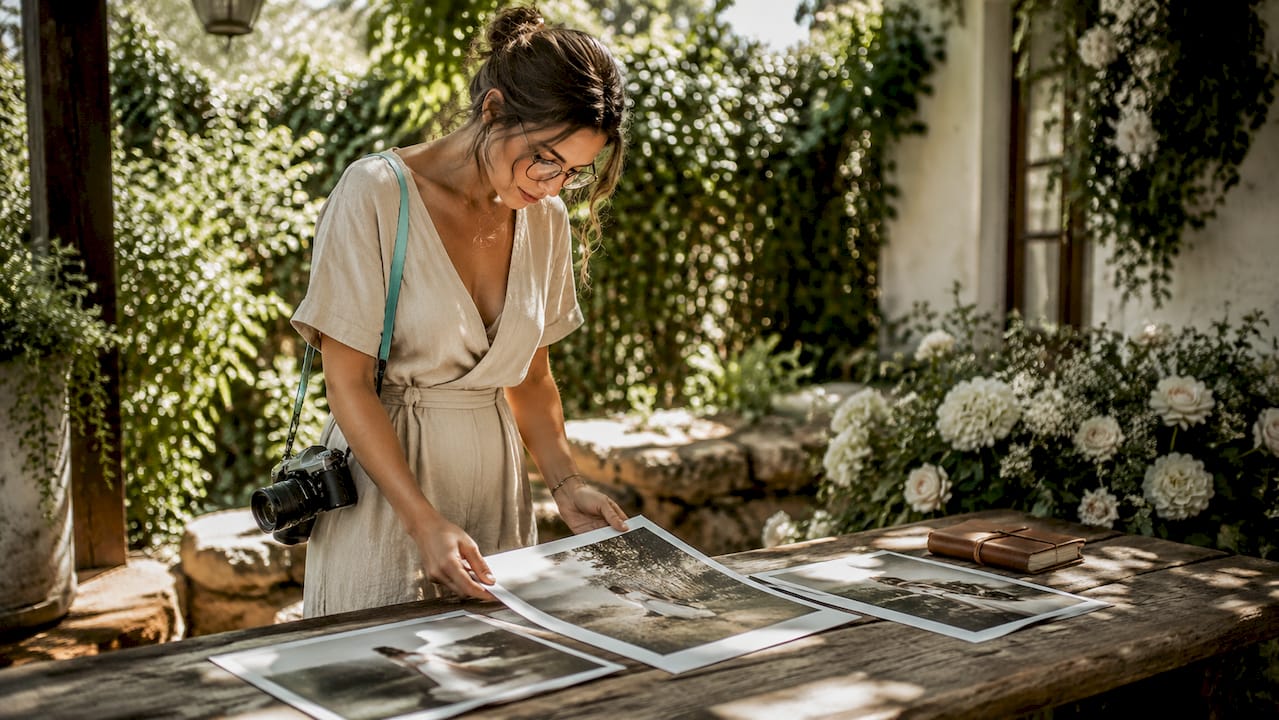
- Print-first mindset. Images are captured and processed for archival printing, not just digital sharing.
Pro Tip: Ask any photographer you are considering to show you a printed album, not just a digital portfolio. Fine art work should hold up beautifully in print. If a photographer cannot produce one, that tells you something important.
The restraint in this style is what makes it last. Trends in heavy editing, dramatic filters, and high-contrast processing date quickly. Fine art wedding photography sidesteps all of that by focusing on light, form, and emotion.
Fine art vs. traditional wedding photography: key differences
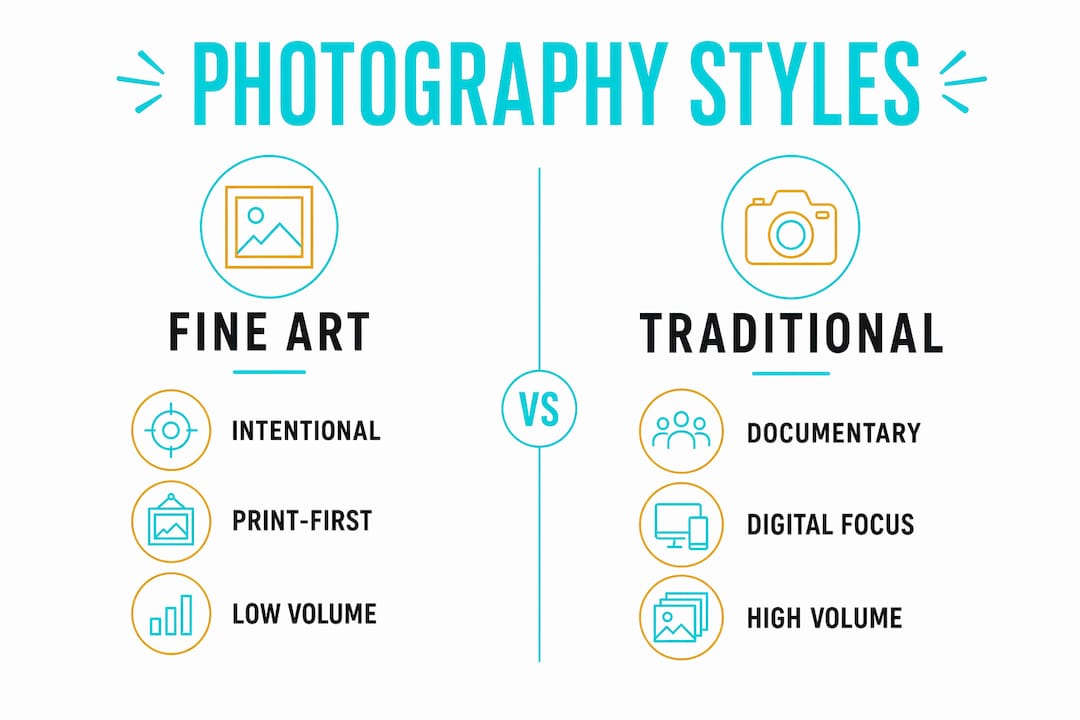
The difference between fine art and traditional wedding photography comes down to intent. Traditional photography focuses on objective documentation. It captures many candid and posed shots to create a thorough record of the day. Fine art photography shifts from objective recording to subjective artistic expression, emphasizing the photographer’s creative vision.
Here is how the two approaches compare across the most important factors:
| Factor | Fine Art Wedding Photography | Traditional Wedding Photography |
|---|---|---|
| Primary goal | Artistic expression and heirloom creation | Complete event documentation |
| Image volume | Curated, fewer total images | High volume, comprehensive coverage |
| Editing style | Muted tones, soft palettes, minimal processing | Variable, often higher contrast |
| Planning process | Collaborative pre-wedding consultations | Reactive, day-of shooting |
| Deliverable focus | Archival prints and albums | Digital files and online galleries |
The image volume difference surprises many couples. A fine art photographer may capture 300–400 images on film during a full wedding day, selecting only technically perfect frames. A traditional photographer might deliver 800 or more. Fewer images does not mean less value. It means every image in your gallery earned its place.
Pro Tip: When reviewing a fine art photographer’s portfolio, scroll through an entire gallery, not just the highlight reel. Consistency across 300 images is the real proof of skill.
What should couples expect from the fine art experience?
The fine art wedding photography experience is consultative and collaborative from the start. You are not hiring someone to show up and shoot. You are partnering with an artist to plan and create. Here is what that process typically looks like:
- Pre-wedding consultation. Your photographer meets with you to understand your vision, preferred locations, and timeline. This is where artistic direction begins.
- Venue and light assessment. The photographer evaluates your ceremony and reception spaces for natural light quality and orientation. They may suggest adjustments to timing or positioning.
- Timeline planning. The schedule is built around the best light of the day, often prioritizing golden hour for portraits.
- Day-of direction. Your photographer provides relaxed, natural guidance. Poses feel authentic because they are built around real moments, not rigid formulas.
- Heirloom presentation. Final delivery includes options for museum-quality prints, fine art albums, and archival materials, not just a digital download link.
Couples who value quality over quantity and trust their photographer’s expertise get the most from this style. The experience works best when you give your photographer creative latitude. That trust is what produces the images you will hang on your wall for decades.
What visual techniques create the fine art look?
The fine art aesthetic is built through specific technical decisions made before and during the shoot, not after. Understanding these techniques helps you recognize genuine fine art work when you see it.
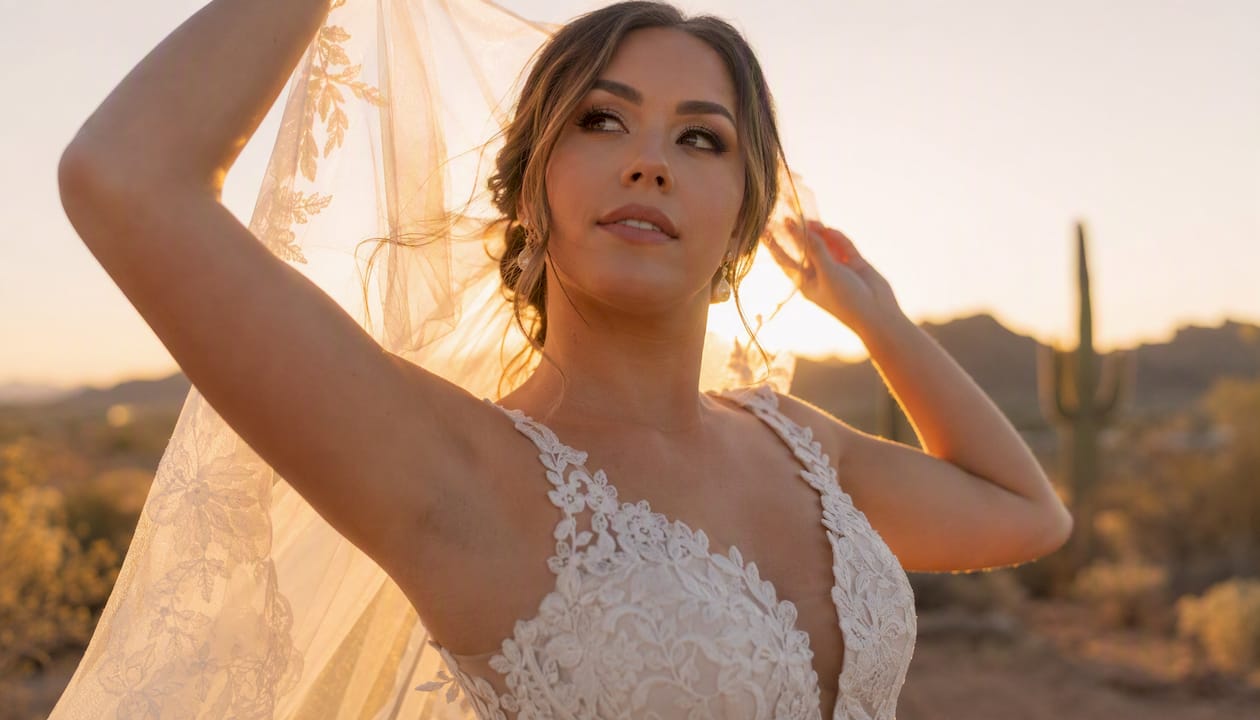
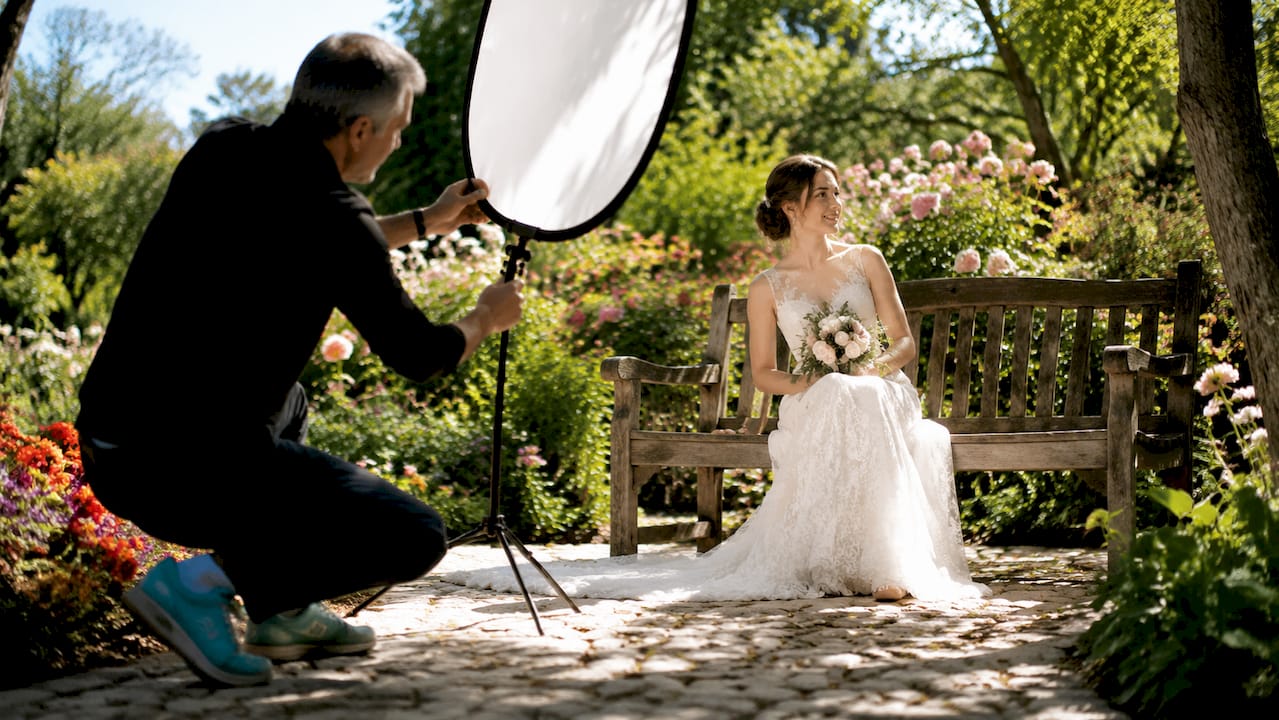
Light positioning is the foundation. Fine art photographers use a light-first methodology where natural light direction drives every compositional decision. They proactively position subjects and adjust event flow to maintain soft, wrap-around light throughout the day. This might mean moving a first-look location by 50 feet or shifting a portrait session by 20 minutes.
Background control is equally deliberate. Cluttered backgrounds, harsh shadows, and distracting elements are eliminated before the shutter fires, not cropped out later.
Film photography plays a role for many fine art photographers. Film produces a distinctive texture, color rendering, and tonal quality that digital sensors replicate only partially. Some photographers shoot entirely on film. Others blend film and digital for specific moments.
The color palette is a defining signature of the style:
| Aesthetic Element | Fine Art Approach | What to Avoid |
|---|---|---|
| Color tone | Soft pastels, muted neutrals, earth tones | Oversaturated, neon, or heavily filtered looks |
| Contrast | Low to moderate, gentle gradients | Heavy black crushing, extreme highlights |
| Editing | Subtle, supports natural light | Presets that override the original scene |
| Composition | Negative space, clean lines | Busy backgrounds, visual clutter |
The result is a gallery where every image feels considered. You can see the fine art wedding photography style in the way light wraps around a subject, the way backgrounds recede quietly, and the way color feels calm rather than loud.
What are the benefits of fine art wedding photography?
The benefits of fine art wedding photos extend well beyond aesthetics. Here is why couples increasingly choose this approach:
- Timeless imagery. Because the style avoids trends, your photos will not look dated in five or ten years. They will look like art.
- Emotional authenticity. Artistic framing captures genuine emotion without staging it. The images feel real because they are.
- Heirloom quality. Archival prints and albums are built to last generations. Digital files degrade and get lost. Printed artwork endures.
- Personalized experience. The consultative process means your gallery reflects your specific vision, venue, and relationship.
- Visual harmony. A cohesive gallery is more powerful than a large collection of unrelated shots. Every image reinforces the others.
Fine art photography represents quiet luxury and timeless beauty that transcends temporary trends. That is not a marketing phrase. It is a practical outcome of the discipline and restraint built into the style. When you invest in this approach, you are investing in images that will matter to you in 30 years, not just next month.
Key takeaways
Fine art wedding photography produces timeless, heirloom-quality images because it prioritizes intentional composition, natural light, and artistic restraint over volume and trend-driven editing.
| Point | Details |
|---|---|
| Core definition | Fine art wedding photography is a curated, print-first style built on intentional composition and natural light. |
| Style vs. traditional | Fine art delivers fewer, curated images focused on artistic expression; traditional photography prioritizes comprehensive documentation. |
| Photographer collaboration | Expect pre-wedding consultations, timeline planning, and creative direction throughout your wedding day. |
| Visual technique | The look comes from in-camera decisions about light and background, not post-processing filters or presets. |
| Long-term value | Archival prints and cohesive galleries create heirloom artwork that remains meaningful for decades. |
Why this style matters more than couples realize
I have photographed weddings in Phoenix and across Arizona for over a decade. The couples who come back to thank me most are almost never the ones who asked for the most photos. They are the ones who trusted the process and let the work breathe.
Fine art wedding photography is not for everyone, and that is fine. If you want every moment documented and a gallery of 1,000 images, there are excellent photographers who do that well. But if you want to hang your wedding photos on the wall and still love them in 20 years, the fine art approach is the one that delivers.
The most important decision you will make is finding a photographer whose visual spirit matches yours. Look at full galleries, not just highlight images. Pay attention to how light behaves in their work. Notice whether the editing feels calm or busy. If their portfolio makes you feel something, that is the right signal.
What I have learned is that the couples who get the most from this style are the ones who treat it as a collaboration. They share their vision, trust the expertise, and give the photographer room to create. The results are always worth it.
— Justin
How Jf brings fine art wedding photography to phoenix couples
Jf has spent over a decade photographing weddings across Phoenix and the greater Arizona area with a focus on artistic intention and archival quality. Every wedding we photograph starts with a personal consultation to understand your vision, your venue, and the light we will work with on your day.
We guide you through timeline planning, location selection, and natural direction so your gallery reflects who you are, not a template. Our Phoenix wedding photography services include museum-quality print options and fine art album design. If you are ready to see what this style looks like in practice, explore our portfolio and reach out to start the conversation. Your wedding deserves artwork that lasts.
FAQ
What makes a photo “fine art” at a wedding?
A fine art wedding photo is defined by intentional composition, controlled natural lighting, and in-camera decisions about background and framing. It is not created by filters or presets applied after the fact.
How many photos does a fine art wedding photographer deliver?
Fine art photographers typically deliver a curated gallery of 300–400 images, selecting only technically and artistically strong frames. Volume is lower than traditional coverage, but every image is deliberate.
Is fine art wedding photography more expensive?
Fine art wedding photography generally costs more than standard coverage because it involves pre-wedding consultations, careful planning, and archival print production. The investment reflects the depth of the creative process and the quality of the final product.
How do i choose a fine art wedding photographer?
Review full galleries rather than highlight reels to assess consistency. Look for a personalized photography experience where the photographer’s visual style and communication approach align with your own preferences and personality.
Can fine art wedding photography work in any venue or lighting condition?
Fine art photographers are trained to work with available natural light and will plan your timeline around optimal lighting conditions. They may suggest venue adjustments or timing changes to maintain the soft, flattering light the style requires.