How to Plan Multi-Generational Family Portraits
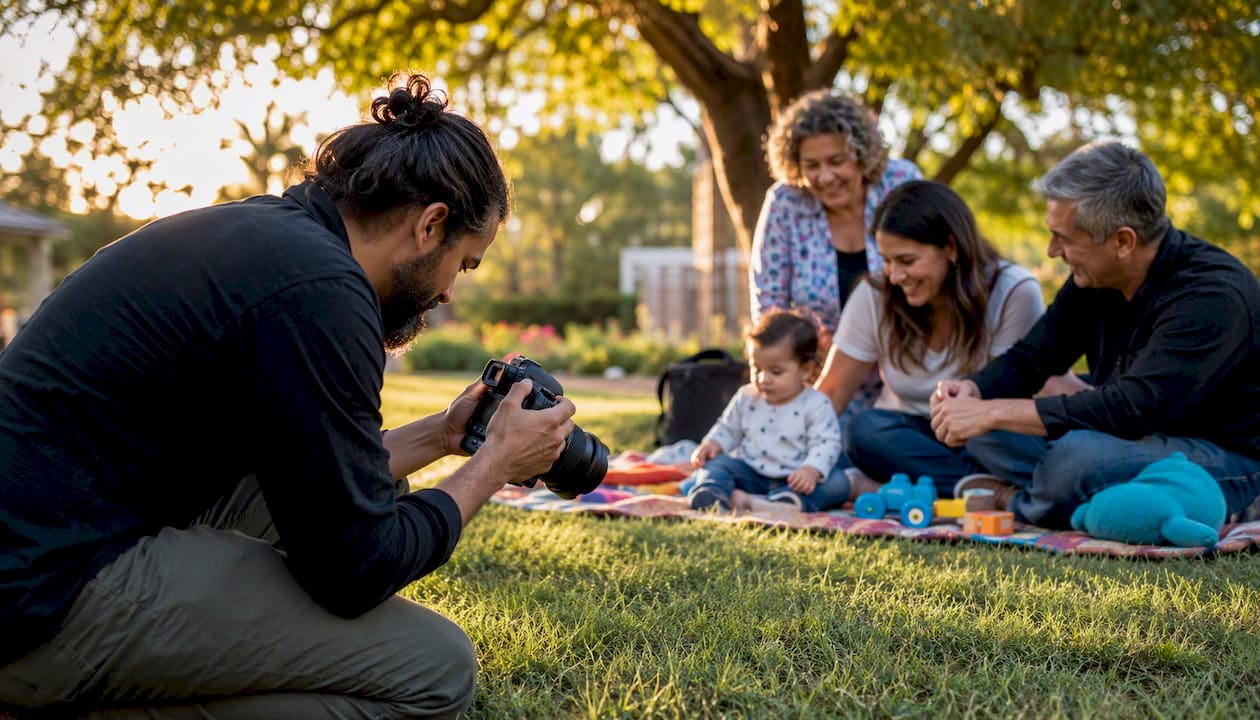
Multi-generational family portraits are defined as formal or semi-formal photographic sessions capturing three or more generations of a family together in a single coordinated shoot. When you plan multi-generational family portraits well, the result is more than a group photo. It becomes a visual record of your family’s story at a specific moment in time. Success depends on four core elements: a structured timeline, a thoughtful location, coordinated styling, and deliberate posing. Photographers like Bianca Jo Photography and Kelly Tareski Photography have documented exactly how these elements work together to create sessions that feel relaxed rather than chaotic.
How to plan multi-generational family portraits: session timeline
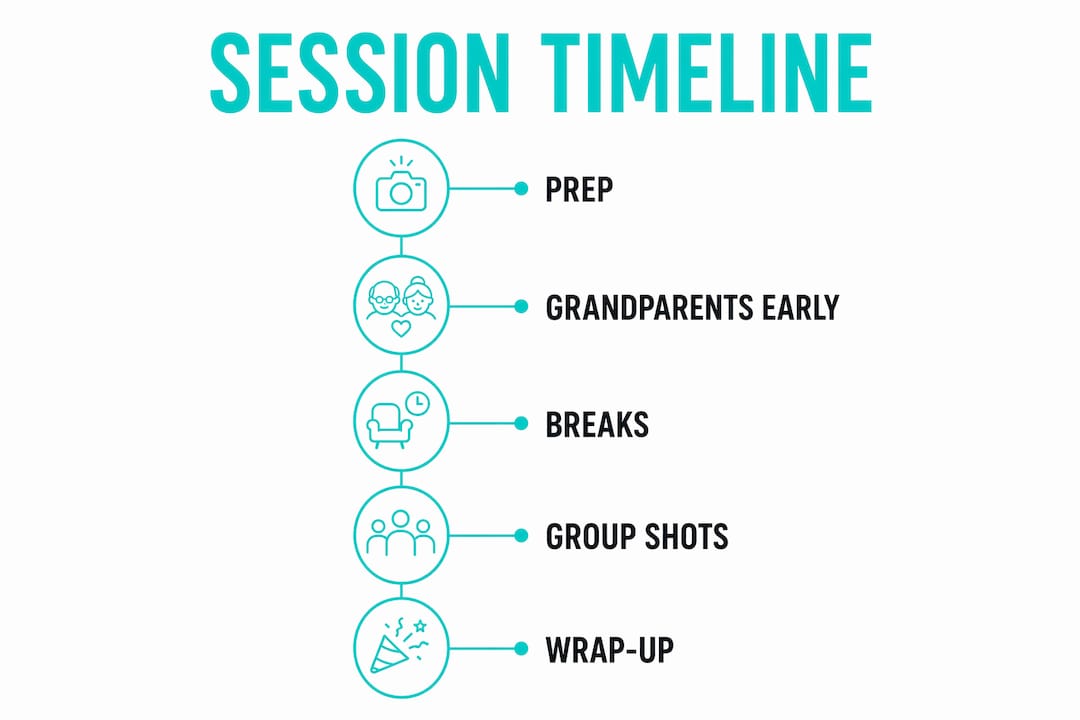
The session timeline is the single most important factor in a smooth multi-generational shoot. Without structure, large groups lose energy fast, and the best moments get lost in the shuffle.
The most effective approach follows a shot flow from large to small groups. Start with the full family together, then move into smaller relationship-centered groupings. That order matters because it captures everyone while energy is fresh, then allows more personal, intimate moments to unfold naturally.
Here is a proven shooting order to follow:
- Full group portrait — Get everyone in frame first. This is the hardest shot logistically, so do it while patience is highest.
- Grandparents with all grandchildren — A timeless combination that families treasure most.
- Grandparents with each adult child’s family — Capture each nuclear family unit with the grandparents.
- Individual nuclear family groups — Each household gets their own set of portraits.
- Sibling groupings — Adult siblings together, then siblings with their own children.
- Couples portraits — Each couple, including grandparents as a pair.
- Individual portraits — End with solo shots if time allows.
Scheduling grandparents early in the session is a deliberate strategy. Older relatives and young children have the least patience, so placing them at the front of the session protects the quality of those shots.
Breaks every 30–40 minutes with 10-minute pauses prevent the energy crashes that derail sessions. These breaks are not wasted time. They give poses room to breathe and give your photographer a chance to review and adjust.
Pro Tip: Always add 30 minutes to whatever time estimate you think you need. Large families take longer to move between setups than anyone expects, and rushing produces stiff, unhappy photos.
What are the best locations for multi-generational family portraits?
Location sets the emotional tone of the entire session. The best choice balances accessibility, meaning, and light quality.
Outdoor locations offer natural variety and a relaxed atmosphere that studios cannot replicate. However, they require more logistical planning. Consider these factors before confirming any outdoor site:
- Accessibility: Can grandparents and young children move through the space comfortably? Uneven terrain, long walks, or stairs can limit participation.
- Seating options: Benches, low walls, or natural ledges give older family members a place to rest between setups.
- Weather contingency: Always have an indoor backup plan confirmed before the session date.
- Emotional resonance: A family’s backyard, a local park with history, or a beach the family visits every summer adds meaning that a generic location cannot.
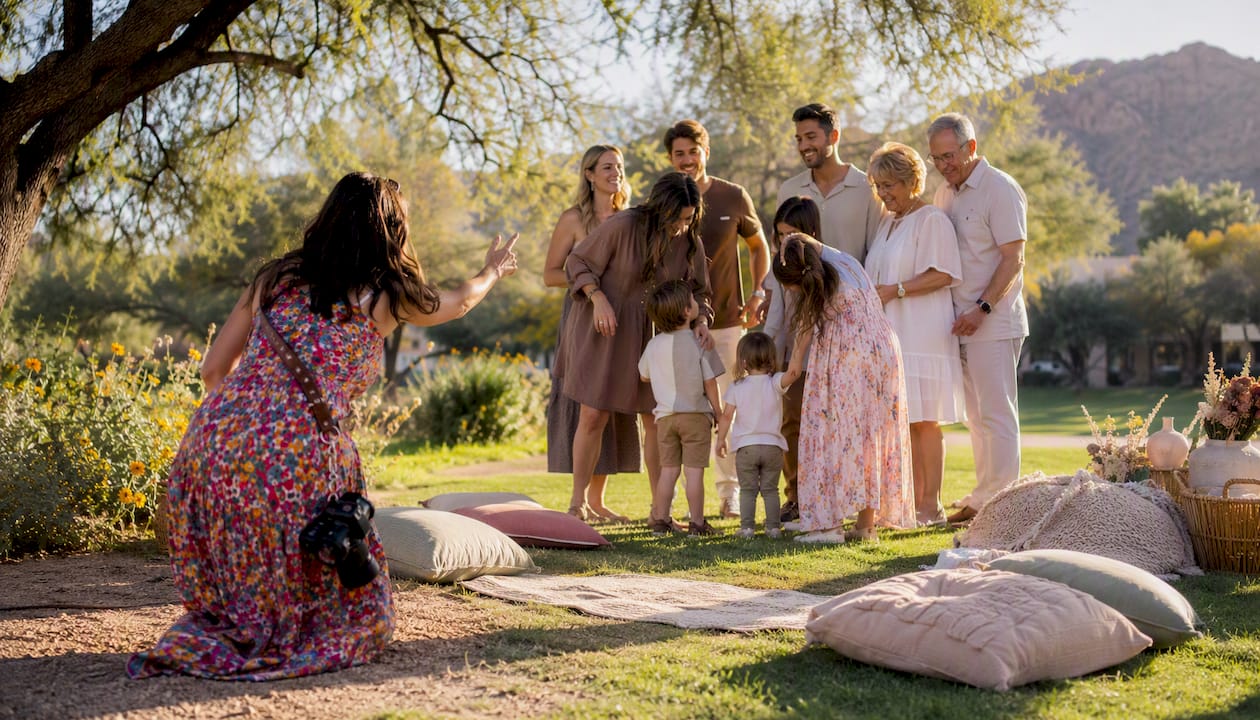
For outdoor sessions, schedule 1–2 hours before sunset to capture golden hour light. This soft, warm light is especially flattering for large groups because it eliminates harsh shadows and reduces squinting. For beach locations specifically, check tide charts before confirming the session time. A high tide can eliminate your planned shooting area entirely.
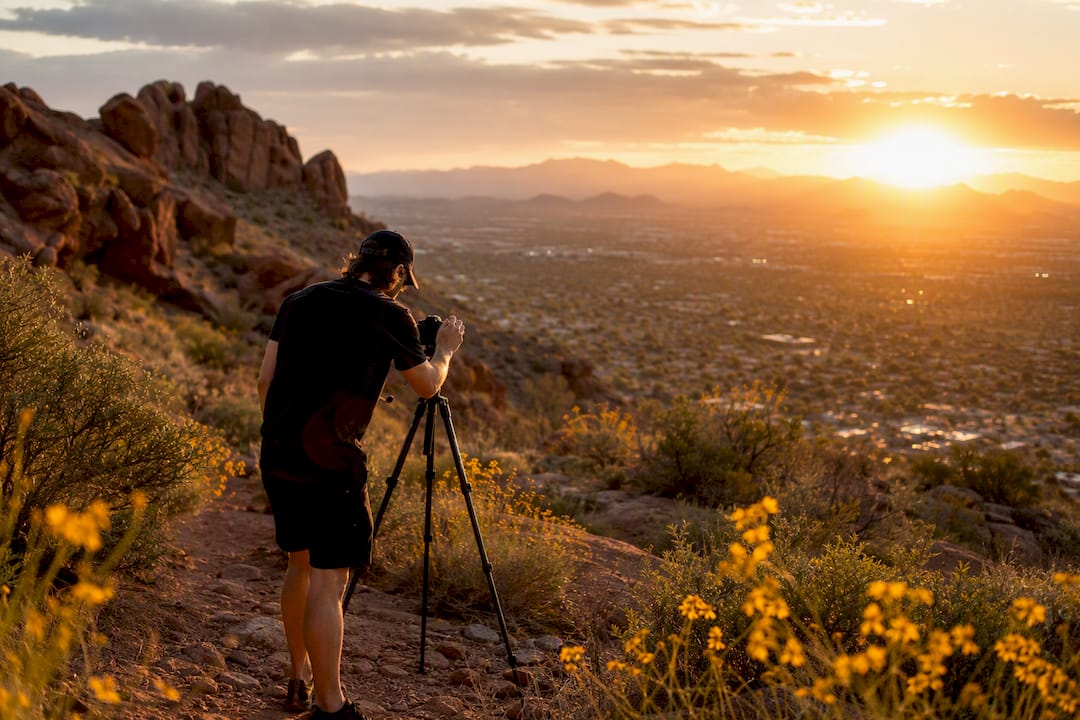
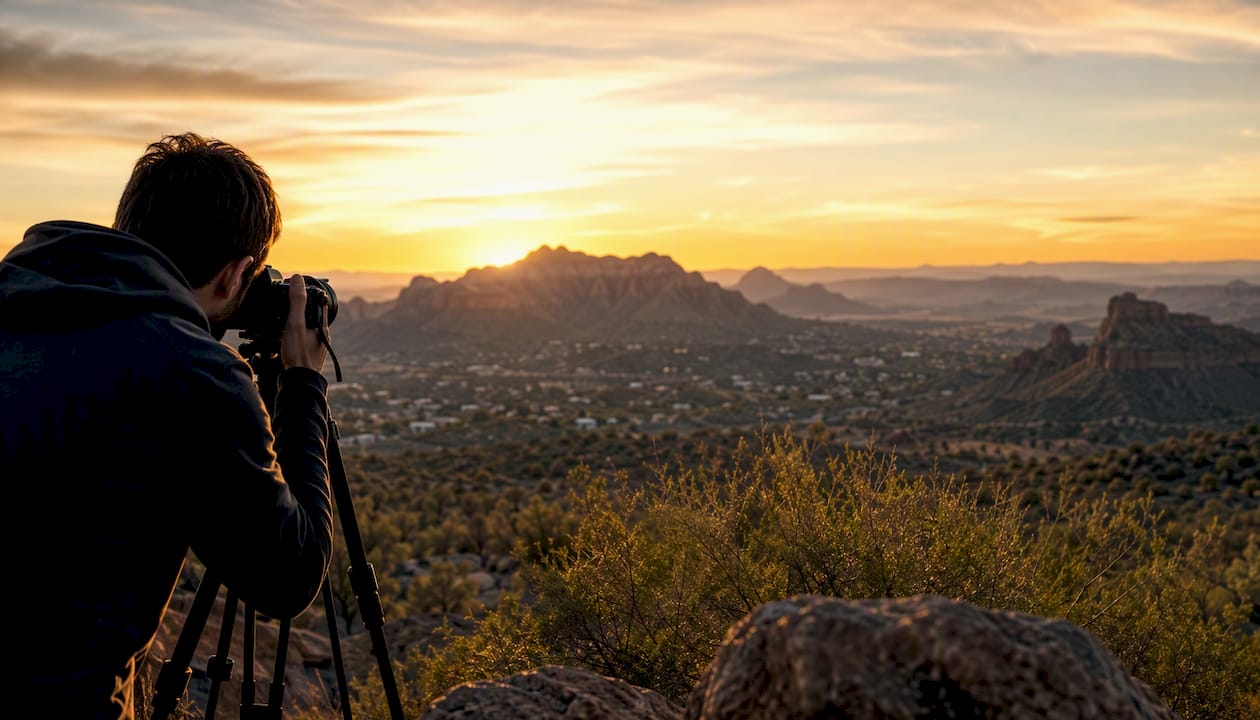
In Phoenix, Arizona, locations like South Mountain Park, Papago Park, and the Desert Botanical Garden offer stunning backdrops with manageable terrain. Jf has worked across these sites and knows which spots work best for groups of 10, 20, or 30 people. You can explore outdoor family photo locations that work well for extended families across the Phoenix area.
Pro Tip: If you are shooting outdoors in Arizona from may through september, schedule your session for the last 90 minutes of daylight. The heat drops significantly, and the light turns golden fast.
How should families coordinate outfits for group portraits?
Outfit coordination is one of the most common sources of stress before a multi-generational session. The goal is cohesion, not uniformity.
A shared color palette using neutral or soft earth tones creates visual unity without requiring everyone to wear the same thing. This approach lets individuals express their personality while keeping the group looking intentional in photos.
Follow these guidelines when coordinating family outfits:
- Choose a palette, not a uniform. Select 3–4 complementary colors and let each person pick from within that range.
- Avoid logos and bold patterns. Text, graphics, and busy prints draw the eye away from faces and expressions.
- Add texture for depth. Linen, denim, knit, and lace photograph beautifully and add visual interest without adding color conflict.
- Communicate two weeks out. Send outfit guidelines at least two weeks before the session so everyone has time to shop or adjust.
- Let grandparents lead. Older family members often have fewer wardrobe options. Build the palette around what they already own and work outward from there.
- Avoid pure white and pure black. Both extremes create exposure challenges in outdoor light and can make skin tones look uneven.
Neutral earth tones like sage, cream, terracotta, and warm gray photograph especially well in Arizona’s natural settings. These colors complement the desert landscape without competing with it.
What are the best posing ideas for multi-generational groups?
Posing a group of 15 or more people is one of the most technically demanding parts of any portrait session. The difference between a flat, stiff group photo and a warm, connected portrait comes down to composition and physical arrangement.
The table below compares common posing mistakes with the correct approach:
| Common Mistake | Better Approach |
|---|---|
| Everyone standing in a flat line | Use triangular or diamond head arrangements for depth |
| People spaced too far apart | Close the gaps so family members are touching or leaning |
| Children hidden behind adults | Place children at the front or on laps for visibility |
| All heads at the same height | Vary levels using steps, seating, and kneeling positions |
| Stiff, posed expressions only | Mix directed poses with candid interaction moments |
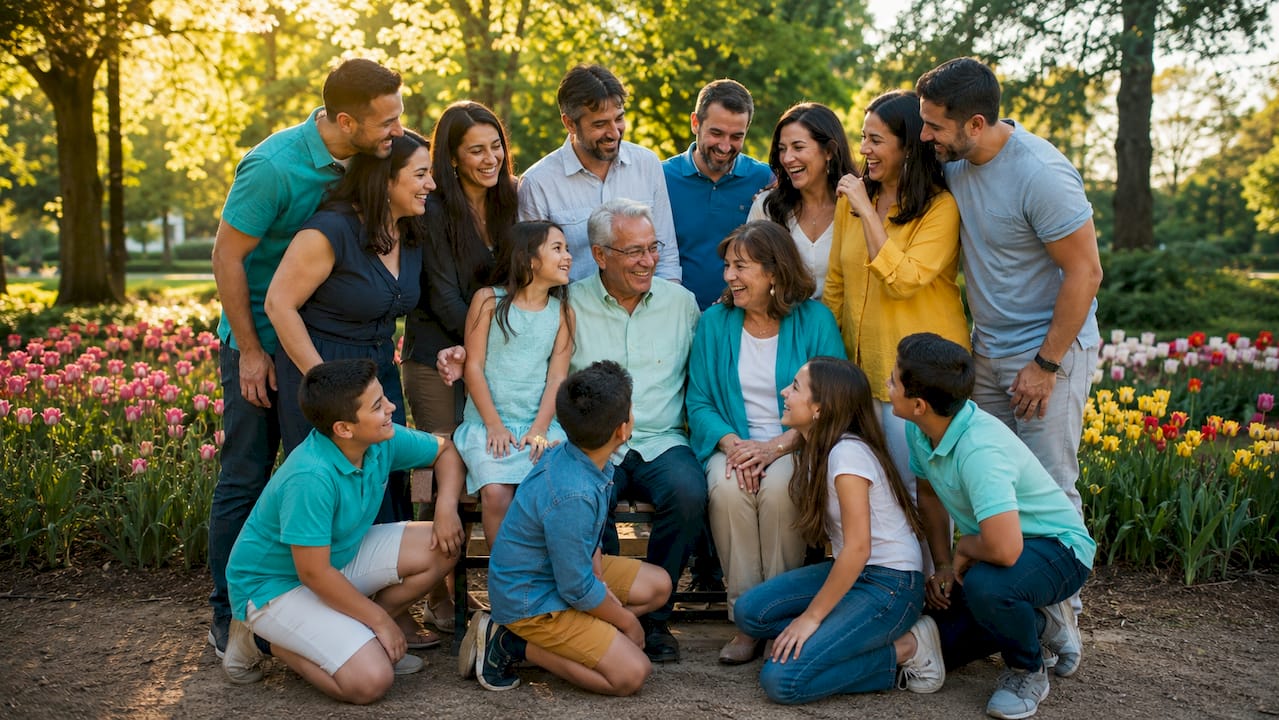
Avoiding flat height lines is the single most effective posing adjustment for large groups. When all heads sit at the same level, the photo looks like a school picture. Triangular arrangements, where the tallest adults anchor the back center and shorter family members step forward or sit, create depth and warmth.
Physical connection matters as much as positioning. Encourage family members to lean in, hold hands, or place a hand on a shoulder. These small touches convey genuine warmth and transform a chaotic group shot into an intentional portrait.
Candid moments captured between posed shots often become the images families love most. Ask grandparents to whisper something to a grandchild, or have siblings share a laugh. Your photographer should be ready to capture those unscripted seconds.
Pro Tip: For groups larger than 15 people, let your photographer direct all positioning rather than letting family members self-organize. Photographer-directed placement is faster, more consistent, and produces better results every time.
Key logistics for a stress-free family portrait session
Logistics determine whether your session feels relaxed or rushed. Strong pre-session planning removes the variables that derail large group shoots.
Designate one family member as the session coordinator before the day arrives. This person handles communication with the photographer, confirms arrival times, and keeps everyone on schedule. Without a single point of contact, information gets fragmented and details fall through.
Use a pre-session questionnaire to gather critical information upfront. Your photographer should ask about mobility limitations, must-have shot combinations, and any family dynamics to be aware of. This information shapes the shot list and prevents awkward surprises on the day.
Pack a session kit with these items:
- Snacks and water for children and older relatives between setups
- Blankets or portable seating for grandparents who need to rest
- Backup shoes for family members walking on uneven terrain
- Baby wipes and a small first aid kit for inevitable spills and scrapes
- Comfort items for young children such as a favorite small toy to ease anxiety
Clear communication before the session is the most underrated preparation step. Send a detailed email to all participants at least one week out. Include the location address, parking instructions, what to wear, what time to arrive, and how long the session will run. Families that arrive informed and on time produce noticeably better photos than those who arrive uncertain and rushed.
Pro Tip: Ask everyone to arrive 15 minutes before the scheduled start time. This buffer absorbs the inevitable late arrivals and gives your photographer time to assess the light before shooting begins.
Key takeaways
Successful multi-generational portrait sessions require a structured shot flow, accessible locations, coordinated styling, and deliberate posing to capture genuine family connections.
| Point | Details |
|---|---|
| Start with the full group | Capture everyone together first while energy and patience are at their peak. |
| Schedule around golden hour | Plan outdoor sessions 1–2 hours before sunset for the most flattering natural light. |
| Build a color palette, not a uniform | Choose 3–4 complementary tones and let each person dress within that range. |
| Use triangular posing arrangements | Vary head heights and close physical gaps to add depth and warmth to group shots. |
| Appoint one family coordinator | A single point of contact keeps communication clear and the session running on time. |
What i have learned from multi-generational sessions
After working with extended families across Phoenix for over a decade, the pattern I see most often is this: families spend weeks planning outfits and almost no time planning the session flow. The outfits matter, but the flow is what determines whether the session feels enjoyable or exhausting.
The sessions that produce the best images are the ones where the family arrives relaxed and the photographer has a clear shot list. When both of those things are true, there is room for the genuine moments. A grandfather pulling his granddaughter close. Siblings laughing at something only they understand. Those are the images families frame and keep for generations.
The other thing I tell every family is to let go of perfection. Someone will blink. A toddler will refuse to cooperate for exactly the shot you wanted most. That is not a failure. It is a real family. The richness of a session comes from the variety of groupings and moments, not from one flawless group photo.
Give the poses time to breathe. Let the photographer work. Trust the process. The images you get from a relaxed, well-planned session will be the ones you are still looking at 30 years from now.
— Justin
Let JfPhotos help you capture every generation
Planning a multi-generational portrait session is a significant undertaking, and having an experienced photographer makes the difference between a stressful day and a memorable one.
JFPhotos has spent over a decade working with extended families across Phoenix, Arizona, managing large group logistics, directing posing, and finding the light that makes every generation look their best. From pre-session consultations to professional editing, every detail is handled with care. Whether your family is 10 people or 40, JFPhotos builds a tailored session plan around your specific needs. Explore Phoenix portrait photography services and see how JFPhotos can help your family create images worth keeping for generations.
FAQ
How long should a multi-generational portrait session last?
Most multi-generational sessions run 2–3 hours to accommodate large group logistics, relationship pairings, and scheduled breaks. Rushing a session with 15 or more people consistently produces lower-quality results.
What is the best time of day for outdoor family portraits?
The best time is 1–2 hours before sunset, known as golden hour. This window produces soft, warm light that flatters large groups and eliminates harsh shadows.
How many outfit colors should a family coordinate?
Choose a palette of 3–4 complementary colors and let each person dress within that range. Neutral earth tones photograph best in outdoor settings and create cohesion without requiring identical outfits.
How do you pose a large family group effectively?
Use triangular or diamond head arrangements, vary height levels with seating and kneeling, and close physical gaps so family members are touching or leaning. Flat lines at equal heights are the most common posing mistake in group portraits.
Who should coordinate logistics for a large family session?
Designate one family member as the session coordinator before the shoot date. This person manages communication with the photographer, confirms timing, and keeps everyone on schedule throughout the day.
Recommended
Recent Posts