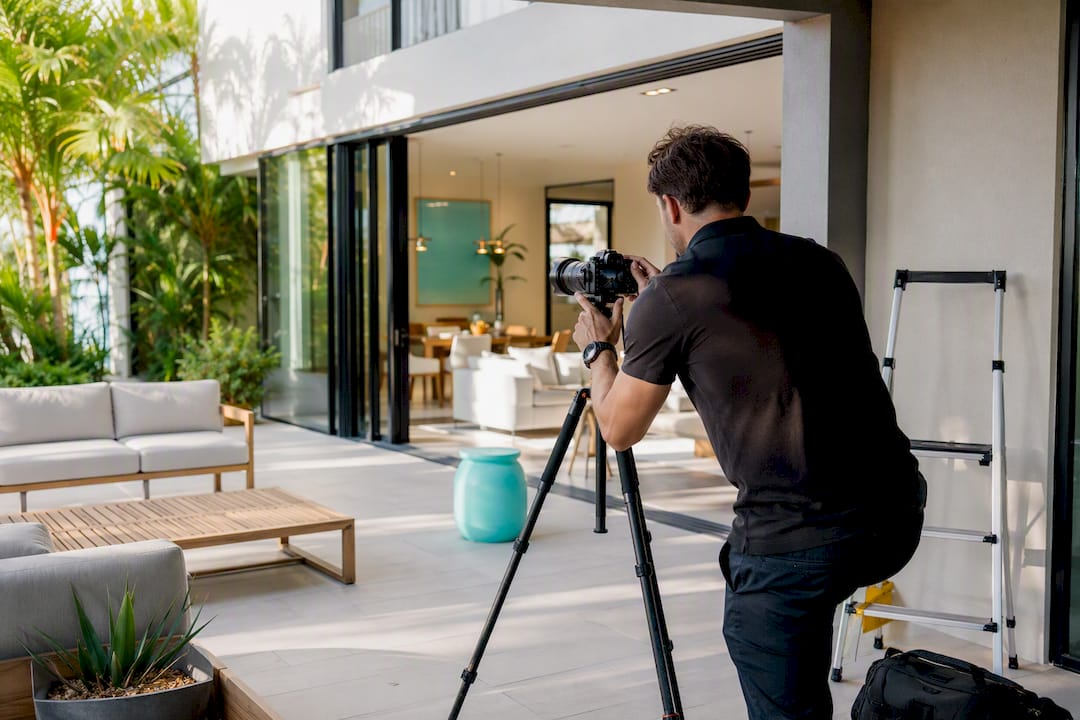
What Is Event Photography Coverage? A 2026 Guide
Event photography coverage is the professional service of documenting an event through planned shooting hours, post-production editing, and final image delivery. It goes well beyond pointing a camera at a crowd. A complete coverage package includes a pre-event consultation, defined on-site shooting time, professional editing, and a contract that spells out how you can use the images. Whether you are planning a corporate conference in Phoenix or a milestone birthday party, understanding what event photography coverage includes helps you hire the right photographer and get the results you actually need.
What does event photography coverage include?
A professional event photography package includes five core elements: pre-event consultation, defined coverage hours, professional post-production, digital gallery delivery, and a contract outlining usage rights. Each element protects both you and the photographer. Skipping any one of them is where most client disappointments start.
Here is what each element delivers in practice:
- Pre-event consultation and shot list. Your photographer reviews the event schedule, identifies key moments, and builds a priority list. This step directly shapes the final gallery.
- Defined coverage hours. The contract states how many hours the photographer is on-site. This is the window from arrival to departure, not just active shooting time.
- Candid, posed, and detail shots. A complete gallery includes candid interactions, group photos, and close-up detail shots of décor, signage, or products.
- Post-production editing. This covers culling (removing unusable frames), color correction, and basic retouching. It does not typically include heavy compositing or background removal unless specified.
- Digital gallery delivery. Finished images are delivered as high-resolution JPEGs through a password-protected online gallery with download access.
- Usage rights contract. Personal-use rights cover sharing on social media and printing for yourself. Commercial usage rights, required for advertising or sponsorship materials, must be explicitly stated in the contract.
A useful benchmark for deliverables: photographers typically deliver 75–125 edited images per hour of coverage. For a 4-hour event, that means 300–500 finished photos.
Pro Tip: Ask your photographer to confirm whether arrival and setup time count toward your contracted coverage hours. Contracts often include setup within the coverage window, meaning actual shooting time can run 30–60 minutes shorter than the total hours listed.
How do event photography packages differ by event type?
The type of event you are hosting changes everything about what coverage should look like. Corporate events, weddings, social parties, and conferences each have different priorities, and the best photographers adjust their approach accordingly.
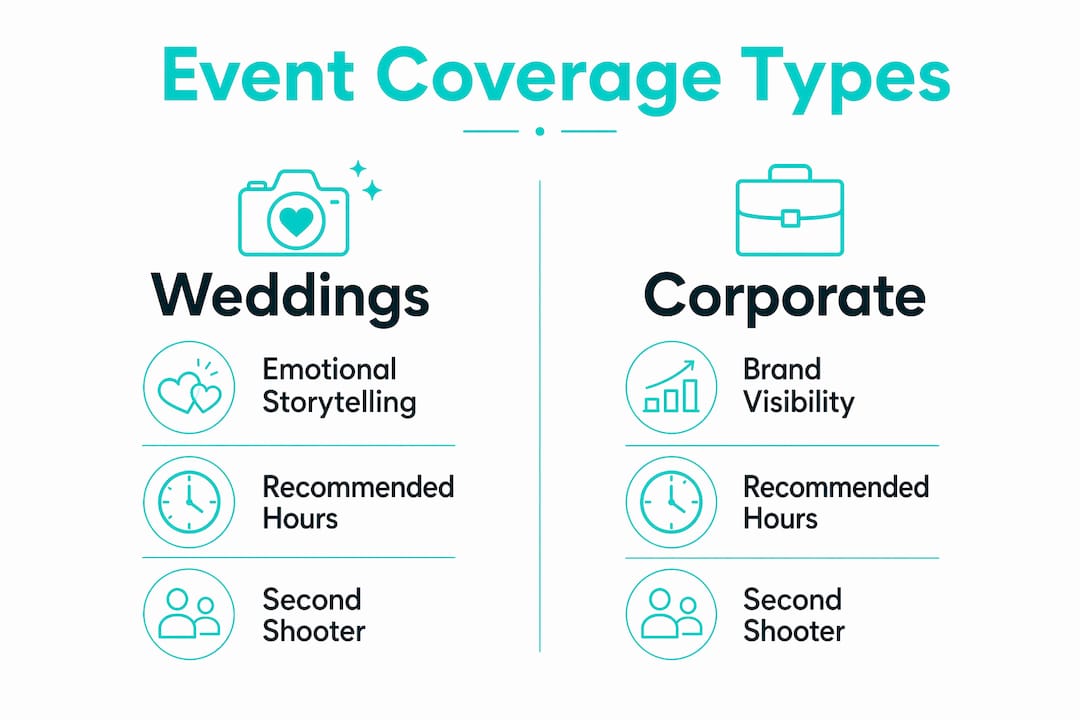
Corporate event photography focuses on brand visibility, speaker documentation, and networking moments. The goal is to produce images that support marketing, sponsorship reporting, and internal communications. A corporate photographer at a product launch will prioritize branded signage, keynote speakers, and executive interactions over candid crowd shots.
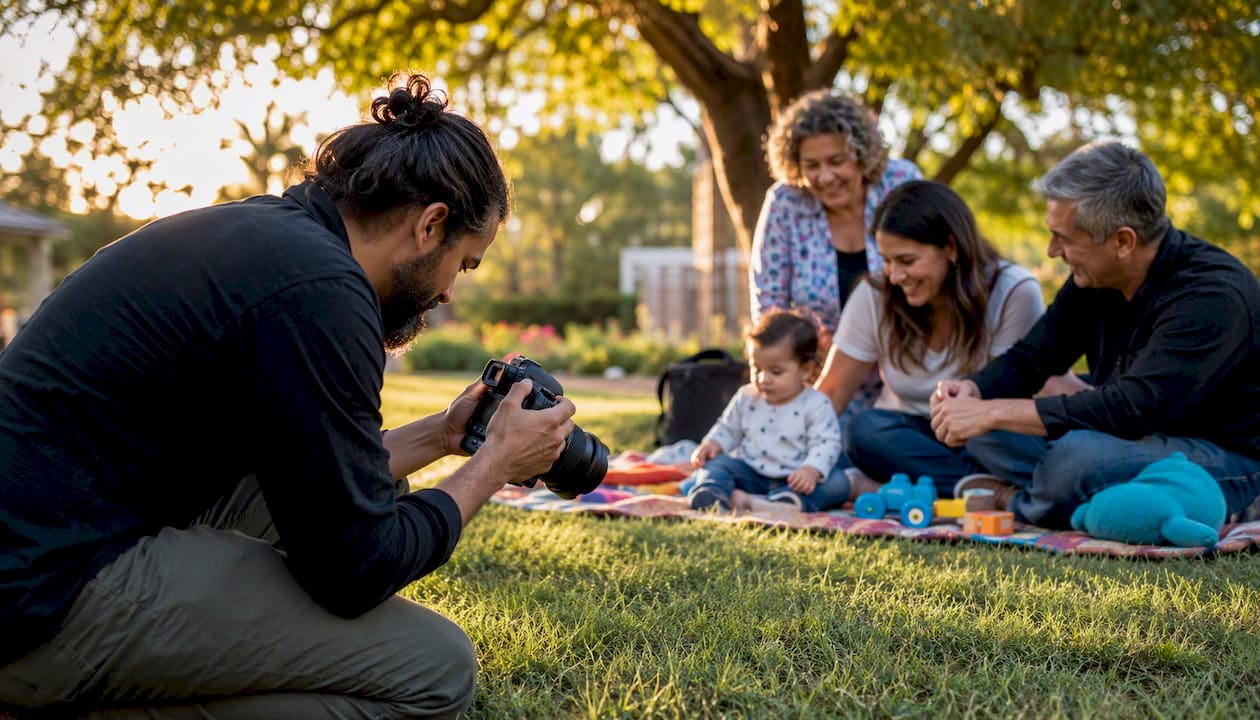
Social events work differently. Weddings, birthday parties, and milestone celebrations emphasize emotional storytelling, candid interactions, and personal memory preservation. The photographer’s job is to capture the feeling of the room, not just the agenda. These events also tend to require more flexibility since the schedule is less rigid than a corporate program.
| Event type | Coverage priority | Recommended hours | Second shooter needed? |
|---|---|---|---|
| Wedding | Emotional storytelling, ceremony, portraits | 6–10 hours | Yes, for 80+ guests |
| Corporate conference | Speakers, branding, networking | 4–8 hours | Recommended for multi-track events |
| Birthday/social party | Candid moments, group shots, décor | 2–4 hours | Optional |
| Trade show/expo | Booth activity, product demos, signage | 4–8 hours per day | Yes, for large floors |
Package tiers reflect these differences. A basic package typically covers 2 hours with one photographer and a standard gallery. A standard package runs 3–4 hours and may include a second shooter. A premium package covers 6–8 hours, includes a second photographer, and often adds expedited delivery or an extended print license.
Pro Tip: For events with more than 80 guests or multiple simultaneous activities, a second shooter is not a luxury. It is the only way to guarantee coverage of moments happening in different rooms at the same time.
What are the pricing and delivery benchmarks for event photography?
Event photography pricing scales with duration and deliverables. Basic 2-hour packages start at $300–$500. Mid-range 3–4 hour packages run $600–$1,200. Full-day 6–8 hour packages typically cost $1,500–$3,500 or more. Multi-day packages with multiple photographers can exceed $8,000.
Location affects price significantly. Photographers in major metro markets like Phoenix, New York, or Los Angeles charge more than those in smaller markets. That price difference reflects local demand, cost of living, and the photographer’s portfolio depth.
Delivery timelines follow a standard pattern across the industry:
- Standard delivery: 5–10 working days after the event. This is the norm for most social and corporate packages.
- Expedited delivery: 24 hours or same-day, available for urgent corporate needs at an added fee. Expedited turnaround is common for trade shows and press events where images need to go live quickly.
- Rush add-on: Some photographers offer a 48-hour turnaround as a middle option between standard and same-day.
One detail that catches clients off guard: coverage hours in contracts include the photographer’s arrival, setup, and teardown time. A 4-hour contract does not mean 4 hours of active shooting. Clarify this before signing so you know exactly how much time the photographer will spend capturing your event versus setting up equipment.
How to get the most from your event photography coverage
Getting great results from your event photographer starts before the event, not on the day itself. A thorough pre-event briefing is the single most reliable way to align the final gallery with your expectations. A detailed briefing significantly increases the likelihood that the photographer’s images will meet your needs.
Follow these steps to maximize your coverage:
- Build a shot list with priorities. List the moments and people that must be captured. Photographers triage shots during live events, and your input shapes those decisions directly.
- Share the event schedule. Give your photographer a full run-of-show document. Knowing when the keynote starts or when the cake cutting happens lets them position themselves in advance.
- Identify key people. Point out VIPs, executives, or family members who need to appear in the gallery. Photographers cannot identify important guests on their own in a crowded room.
- Clarify usage rights upfront. If you plan to use images in advertising, on your website, or in press materials, commercial usage rights must be written into the contract before the shoot. Adding them after the fact costs more and creates legal risk.
- Confirm arrival and setup time. Ask your photographer when they plan to arrive and how that time factors into your contracted hours. This avoids surprises on the day.
- Discuss add-ons early. Second shooters, expedited delivery, and extended print licenses are easier and cheaper to add during booking than to request after the event.
Pro Tip: Send your shot list to your photographer at least 72 hours before the event. Last-minute lists do not give the photographer time to plan positioning or flag any logistical conflicts.
Key takeaways
Event photography coverage is a structured professional service that requires clear contracts, pre-event planning, and defined deliverables to produce a gallery that genuinely reflects your event.
| Point | Details |
|---|---|
| Coverage includes five core elements | Consultation, hours, editing, gallery delivery, and a usage rights contract are all standard. |
| Pricing scales with duration | Expect $300–$500 for 2 hours and $1,500–$3,500+ for 6–8 hours of professional coverage. |
| Event type shapes the approach | Corporate coverage prioritizes branding; social events prioritize emotional storytelling. |
| Coverage hours include setup time | Contracts count arrival and teardown, so active shooting time is shorter than the total hours listed. |
| Pre-event briefing drives results | A detailed shot list and schedule shared 72 hours in advance directly improves the final gallery. |
Why preparation is the real product
After years of shooting events across Phoenix and beyond, the biggest gap I see is not between good photographers and bad ones. It is between clients who prepare and clients who do not. The photographers who deliver galleries that genuinely move people are not just talented with a camera. They show up knowing the schedule, the key faces, and the three moments the client cannot afford to miss.
I have seen technically skilled photographers deliver forgettable galleries because no one told them what mattered. I have also seen photographers with modest gear produce stunning work because the client gave them a clear brief, a run-of-show, and five minutes of face time before the doors opened. Event photography is a strategic documentary service. It captures emotional truth, not just posed frames.
The other thing clients consistently underestimate is usage rights. A corporate client once used images from a social event package in a paid ad campaign without securing commercial rights. The legal conversation that followed was expensive and avoidable. Read your contract before you sign it. If commercial use is part of your plan, say so during booking. A good photographer will price it fairly and document it clearly.
The best event photography investment you can make is not a longer coverage window or a fancier package. It is 30 minutes of honest conversation with your photographer before the event starts.
— Justin
Get professional event photography coverage with Jfphotos
JFPhotos brings over a decade of experience to Phoenix event photography, covering everything from corporate conferences and trade shows to weddings and private celebrations. Every package includes a pre-event consultation, professional editing, and a clear contract so you know exactly what you are getting.
JFPhotos offers flexible package options tailored to your event type, guest count, and delivery timeline. Whether you need a 2-hour coverage package for a private party or a full-day corporate shoot with expedited delivery, the team is ready to build a plan around your needs. Explore photography services in Phoenix or reach out to book a consultation and get a custom quote for your next event.
FAQ
What is included in a standard event photography package?
A standard package includes pre-event consultation, defined coverage hours, professional editing, digital gallery delivery, and a usage rights contract. Most packages deliver 75–125 edited images per hour of coverage.
How much does event photography coverage cost?
Basic 2-hour packages start at $300–$500. Mid-range 3–4 hour packages run $600–$1,200. Full-day 6–8 hour packages typically cost $1,500–$3,500 or more, depending on location and deliverables.
How long does it take to receive photos after an event?
Standard delivery runs 5–10 working days. Expedited options, including 24-hour turnaround, are available for corporate events at an additional fee.
Do I need a second photographer for my event?
A second photographer is recommended for events with 80 or more guests or multiple simultaneous activities. Without one, a single photographer cannot cover separate rooms or moments happening at the same time.
What is the difference between personal and commercial usage rights?
Personal-use rights cover printing and social media sharing for private use. Commercial usage rights are required when images appear in advertising, on business websites, or in sponsored content, and must be written into the contract before the shoot.