Natural Light Family Photography: A Complete Guide
Natural light is the single most important element in family photography for producing portraits that feel genuine, warm, and emotionally true. Unlike artificial flash, which can flatten features and create harsh shadows, natural light wraps around your family in a way that mirrors how the human eye actually sees the world. The role of natural light in family photography goes far beyond simple illumination. It shapes mood, softens skin tones, and creates the kind of images that make you feel something when you look at them years later. At Jf, we have spent over a decade working with Arizona’s remarkable light to capture exactly those moments.
How does timing affect natural light for family photography?
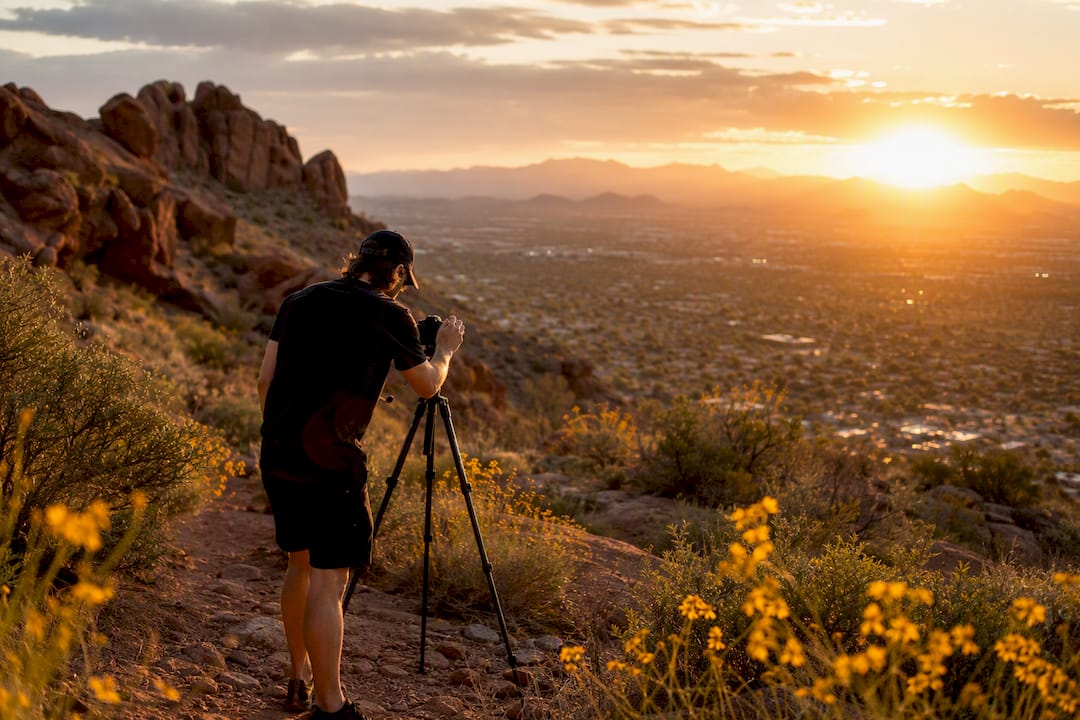
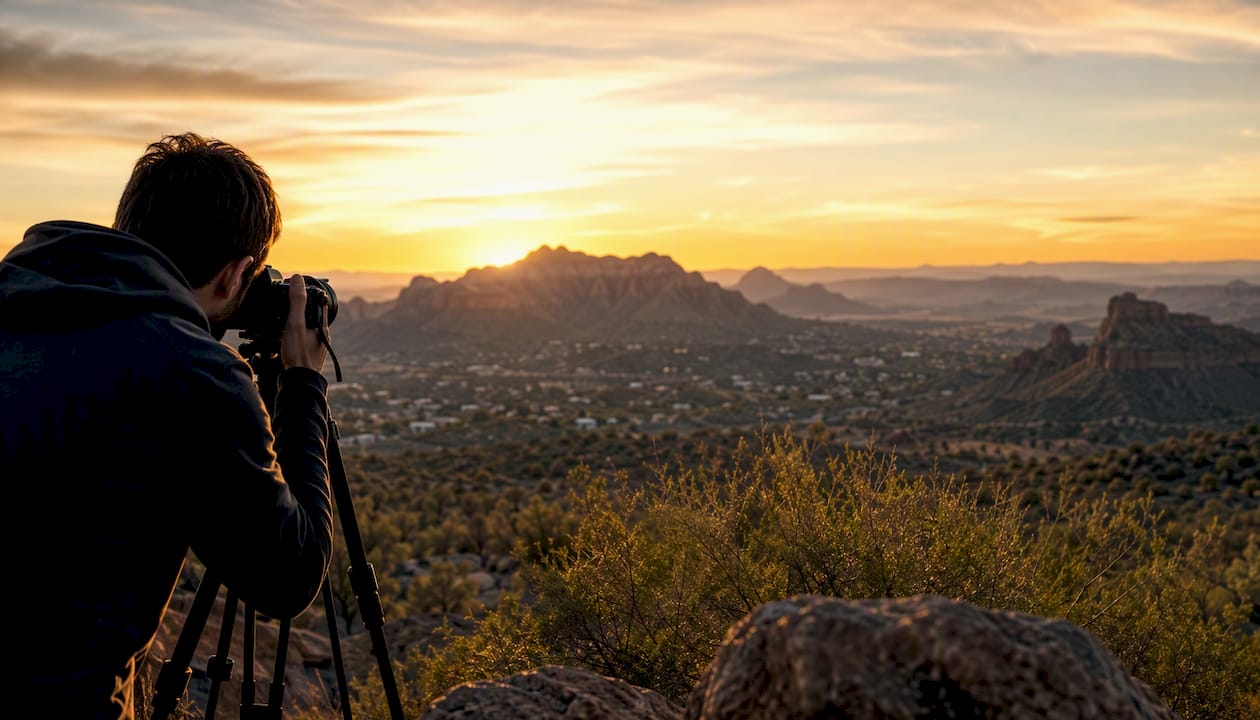
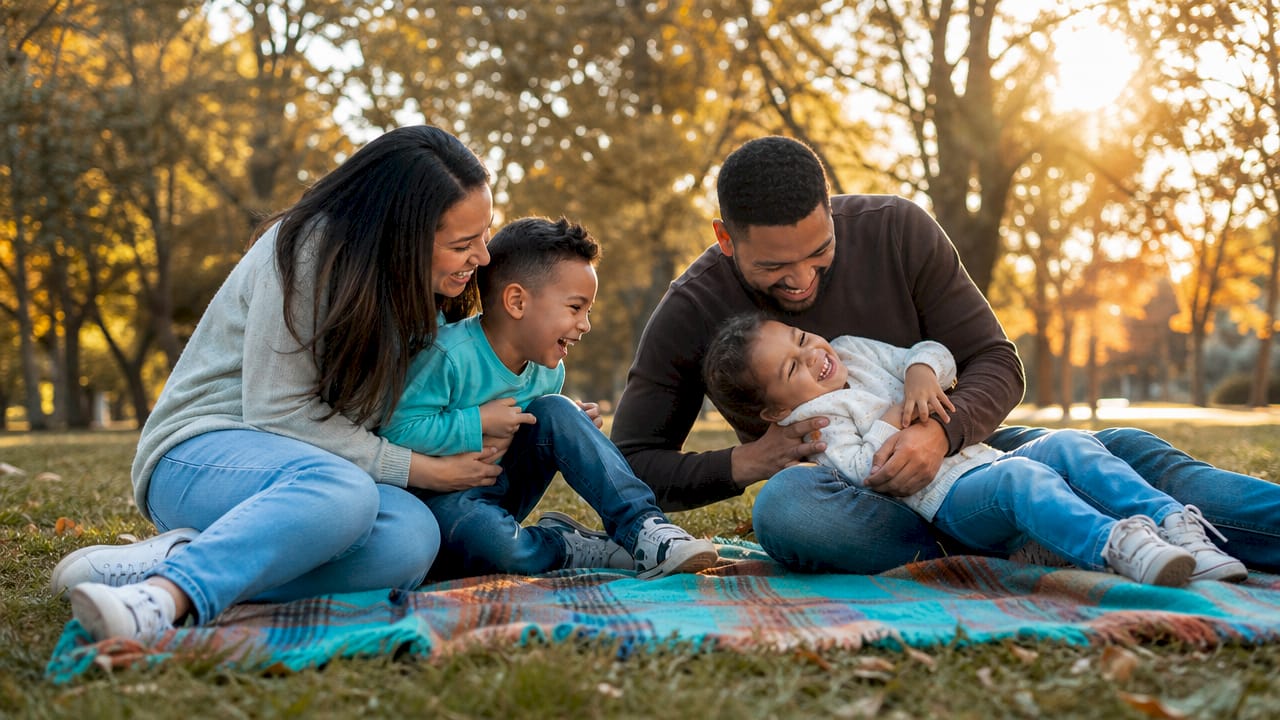
Timing is the single biggest variable you can control in a natural light session. Golden hour light, the hour after sunrise and the hour before sunset, delivers warm, low-angle illumination that flatters every family member. The sun sits low enough that its rays travel through more atmosphere, stripping out harsh blue tones and leaving a soft, golden glow. Skin looks warmer, shadows fall gently, and the overall mood of the image feels calm and inviting.
Midday sun is the opposite. It sits directly overhead, casting downward shadows under eyes and chins that are unflattering on everyone, especially young children. Scheduling around that window is not optional. It is the difference between a portrait your family will frame and one that stays buried in a folder.
Overcast days are an underrated alternative. Cloud cover acts as a giant natural softbox, spreading light evenly across the scene and eliminating harsh contrasts. Children stop squinting. Shadows disappear. The result is clean, even illumination that works beautifully for group shots where you need every face equally lit.
Key timing considerations for your session:
- Golden hour outdoors: Schedule 60–90 minutes before sunset for the warmest, most flattering light.
- Overcast mornings: Soft diffused light lasts longer and is easier to work with than afternoon clouds.
- Indoor window sessions: Mid-morning light through north or east-facing windows stays consistent and gentle.
- Avoid midday sun: Direct overhead sun between 10 a.m. and 3 p.m. creates unflattering shadows on faces.
Pro Tip: Check a weather app the morning of your session. A thin layer of clouds can actually improve your photos by softening the light, so do not cancel a shoot just because the sky is not perfectly blue.
What are the best natural light environments for family portraits?
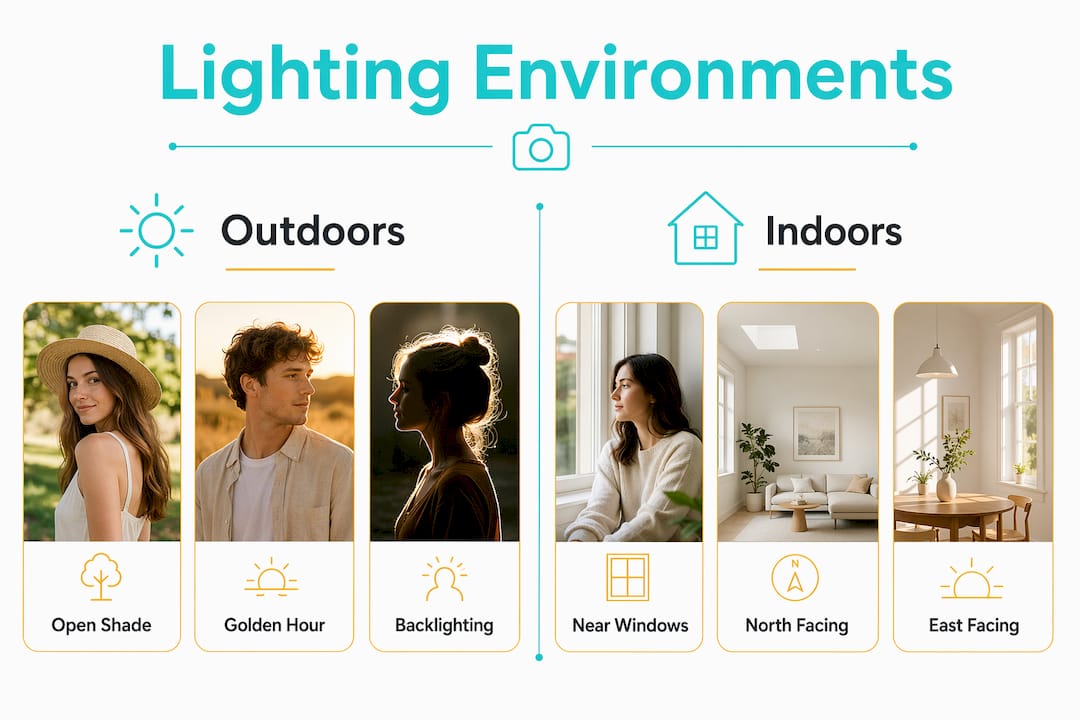
The environment you choose shapes the quality of light your family receives. Not all outdoor or indoor spaces are equal. The best natural lighting for family shoots comes from locations that give you control over direction, softness, and shadow.
| Environment | Light quality | Best for | Watch out for |
|---|---|---|---|
| Open shade (tree line, building edge) | Soft, even, flattering | All ages, group shots | Flat light if facing wrong direction |
| Overcast outdoor field | Diffused, consistent | Young children, large groups | Dull backgrounds |
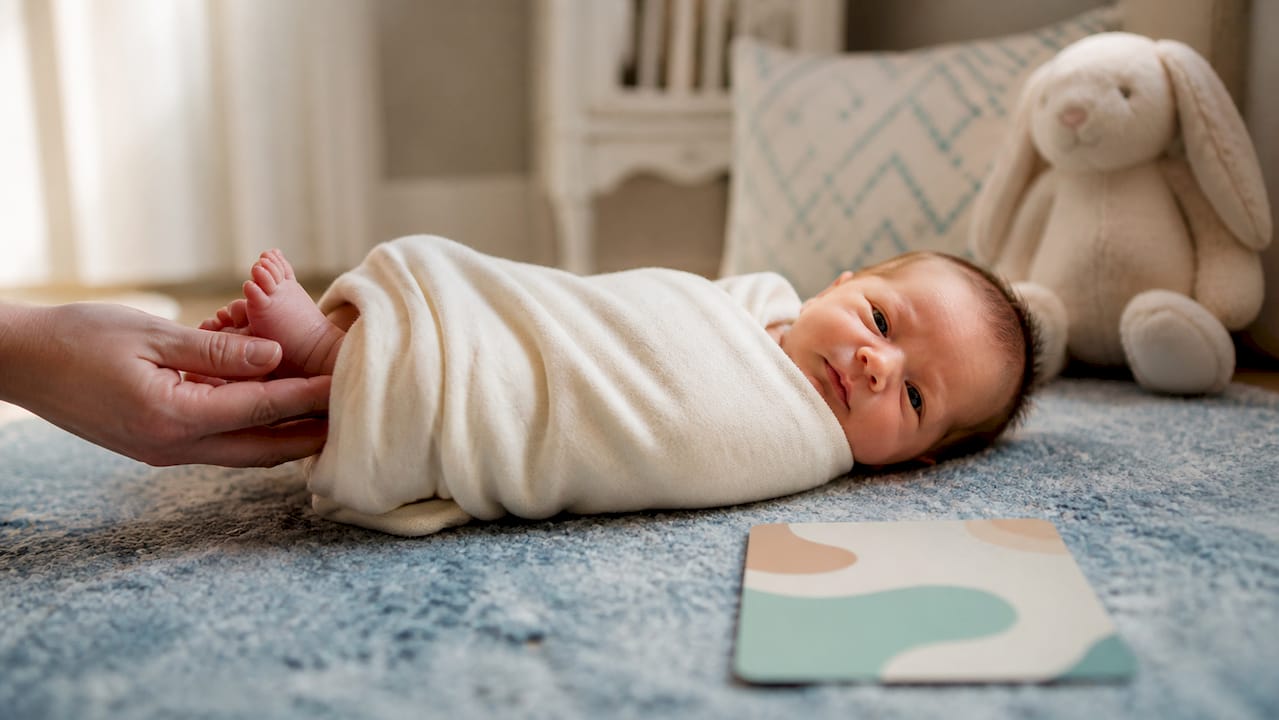
| North or east-facing window (indoors) | Gentle, directional | Newborns, intimate portraits | Limited space for large families |
| Backlit golden hour field | Warm, dreamy, artistic | Couples, older children | Exposure challenges |
| Direct sun (open field, midday) | Harsh, high contrast | Avoid for portraits | Squinting, raccoon-eye shadows |
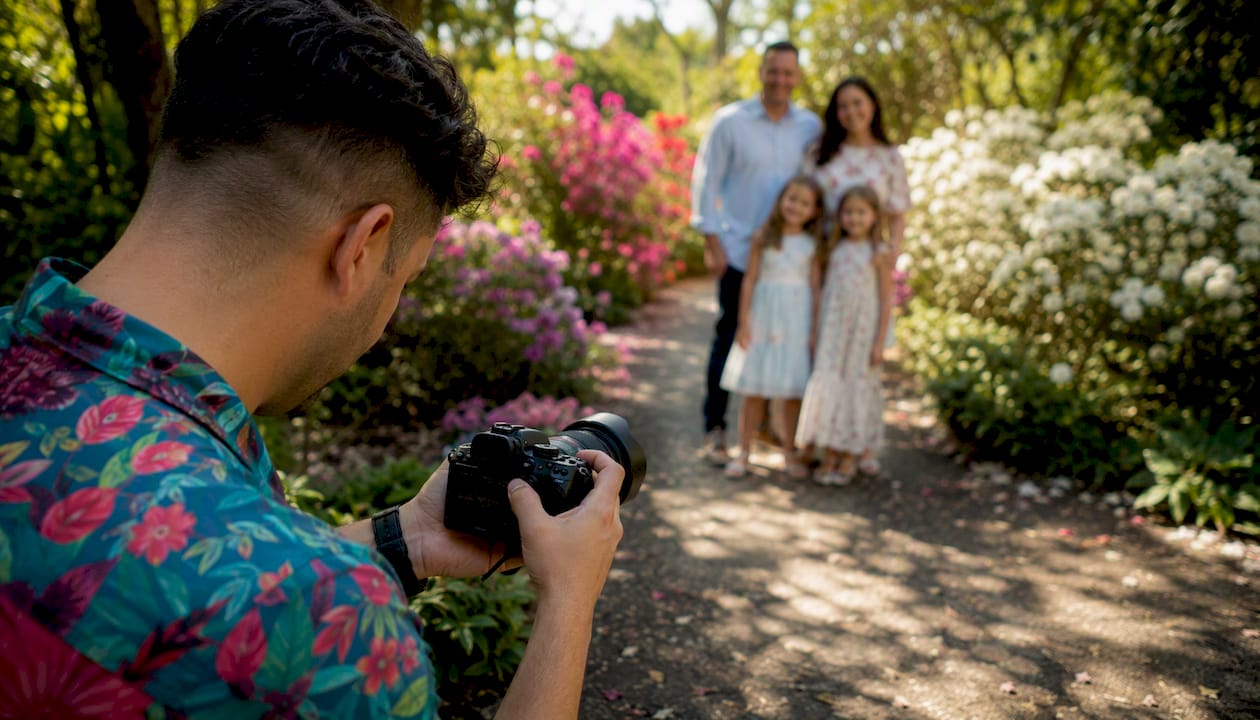
Open shade is the most reliable natural light environment for family portraits. Positioning your family just inside the shade line, with open sky in front of them, gives you soft ambient light from above while blocking direct sun. This setup produces natural catchlights in the eyes and avoids the deep shadows under brows and noses that direct sun creates.
Indoor sessions work beautifully when you position subjects near large windows that face north or east. These orientations receive consistent, indirect light throughout the day. A slight angle adjustment, moving a few inches higher, lower, or to the side of the window, changes where shadows fall and how dimensional the portrait looks. Small moves make a significant difference.
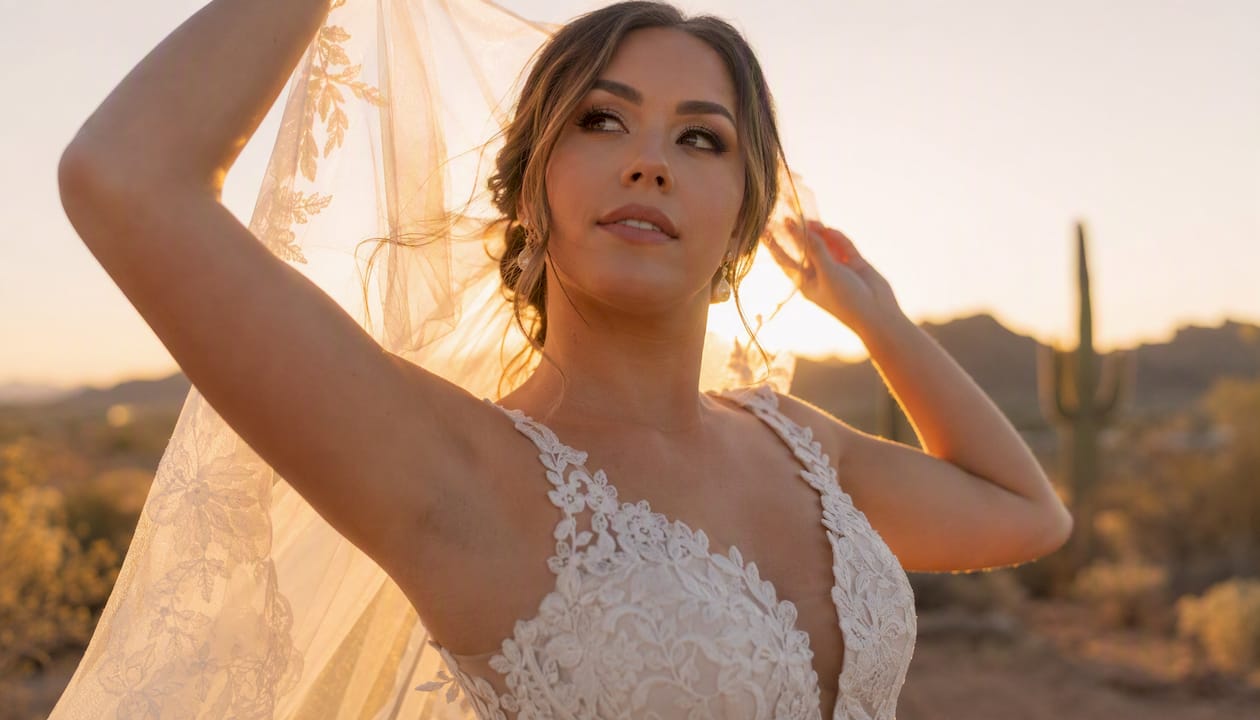
Backlighting during golden hour adds an artistic quality that is hard to replicate with any other setup. Low sun positioned behind your subjects creates a luminous rim of light around hair and shoulders, adding depth and a warm, dreamy quality to the image. It requires careful exposure management, but the results are among the most emotionally striking in family photography.
How can photographers and families adapt to natural light changes during a shoot?
Natural light shifts constantly during a session. A cloud passes, the sun drops another degree, or you move 10 feet and the quality of light changes entirely. Adapting in real time is what separates a good natural light session from a great one.
The most effective adaptation strategies include:
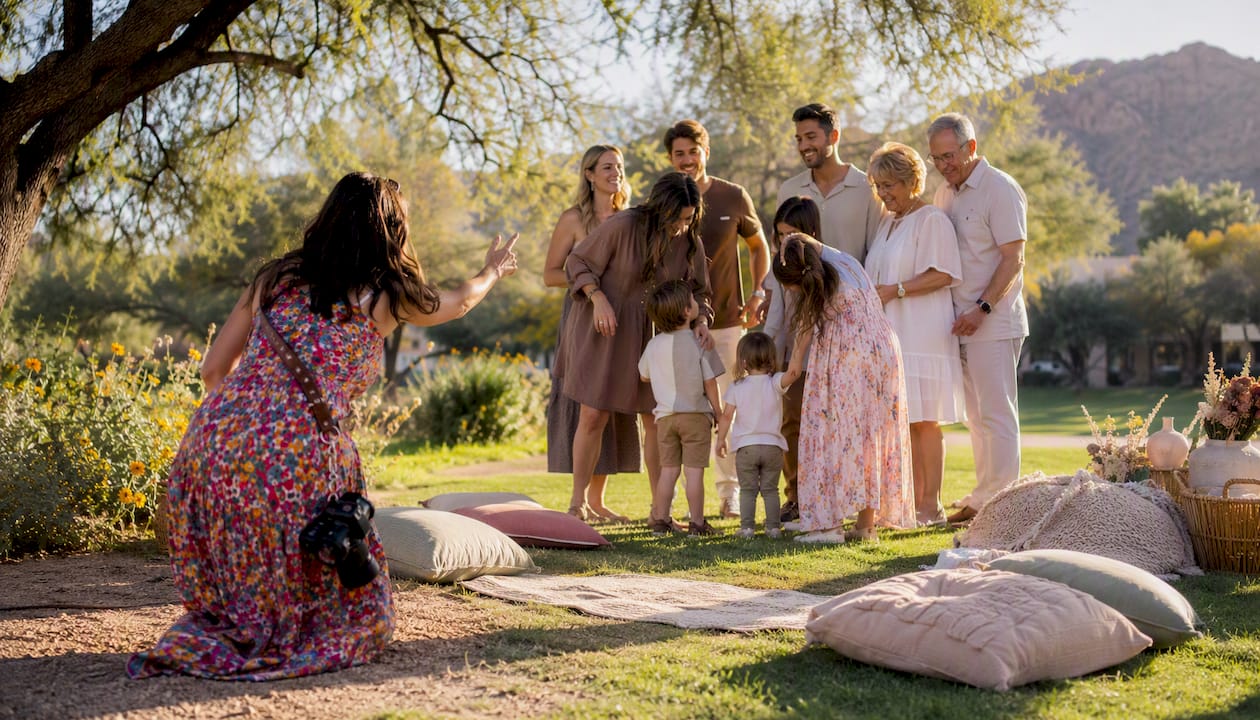
- Work the shadow line. The boundary between direct sun and open shade is where the best ambient bounce light lives. Position your family right at that edge, facing the open sky, for flattering dimensional light.
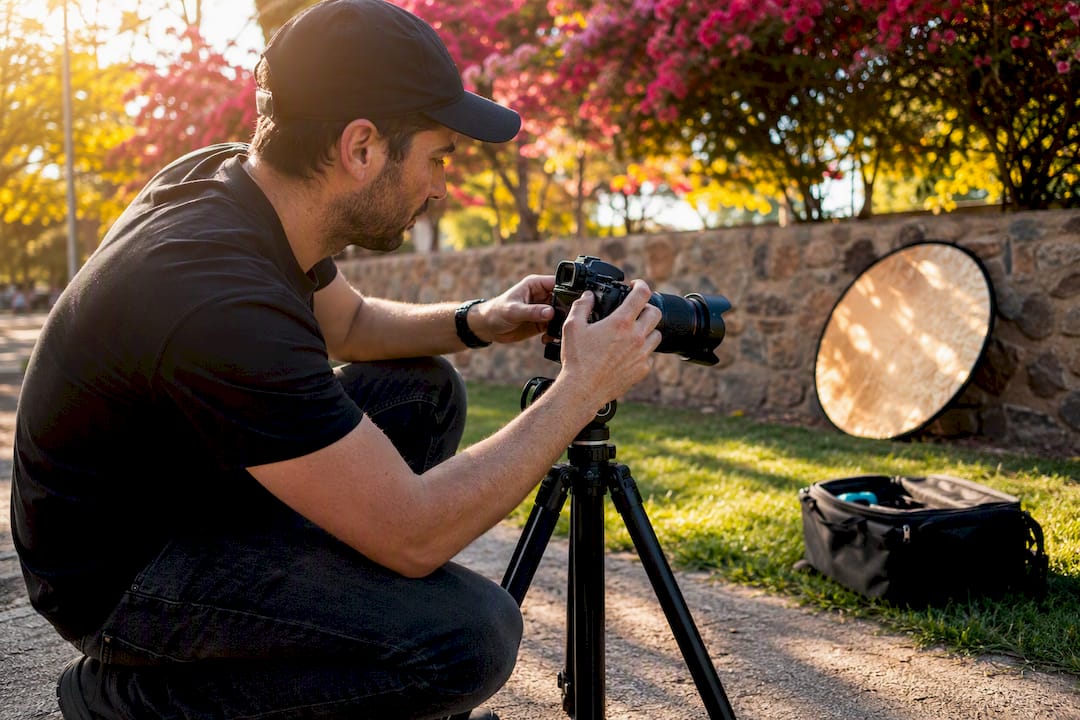
- Use a reflector as a fill tool. White reflectors provide a soft, natural fill that mimics sky light. Silver reflectors give a punchier result. Position the reflector opposite the main light source to open up shadows on faces without looking artificial.
- Adjust poses to the light, not the other way around. If the light is coming from the left, angle faces slightly left to catch catchlights in both eyes. Never force a pose that puts the light behind the subjects unless you are intentionally creating a backlit effect.
- Reposition constantly. Sunlight intensity and direction rarely stay constant long enough for a fixed setup. Move your family every few minutes to stay in the best available light.
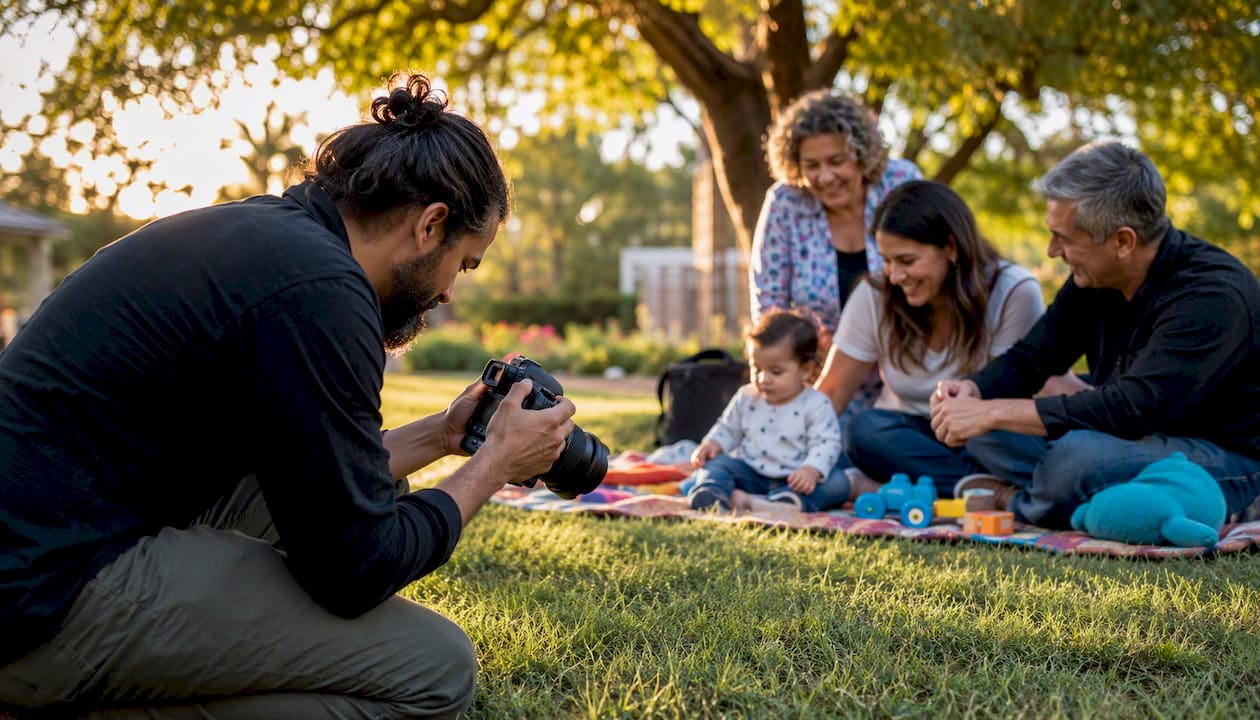
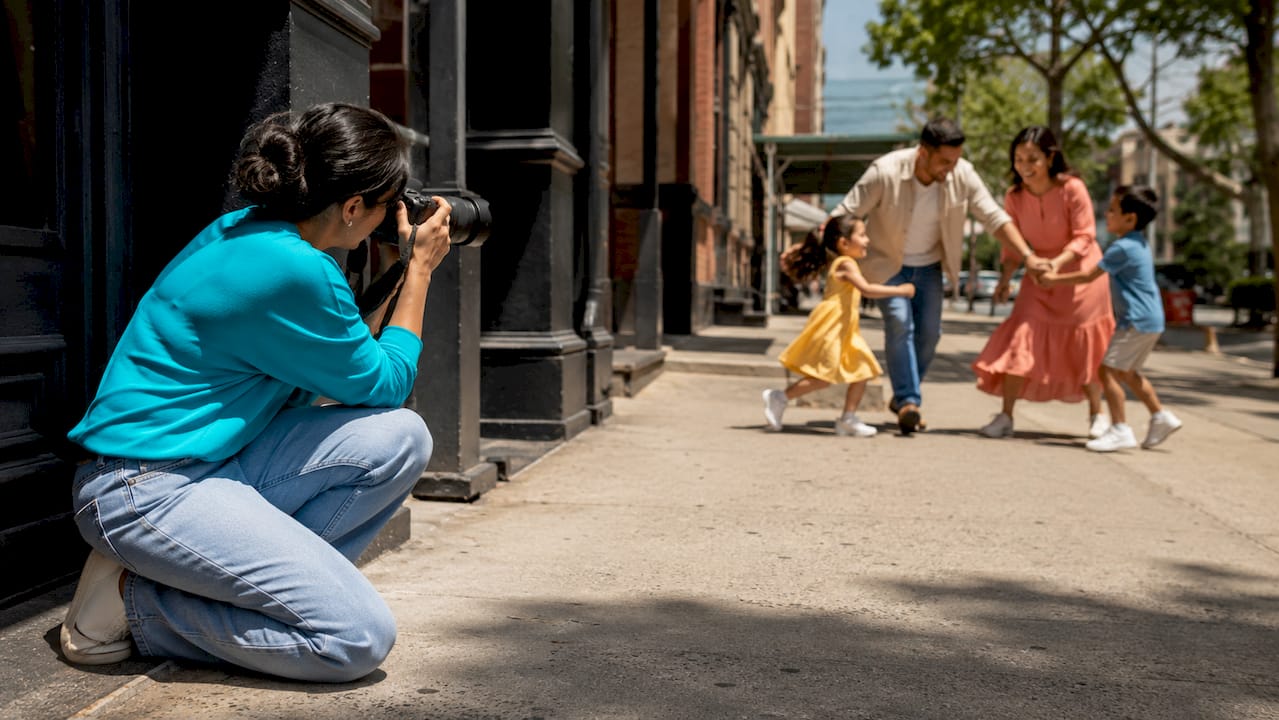
- Let children lead. With young children, chasing the perfect pose wastes the best light. Position yourself so the light works wherever the child moves, and capture genuine moments as they happen.
Pro Tip: Bring a simple 5-in-1 reflector to your session. They fold flat, cost very little, and give your photographer a tool to fill shadows without any additional lighting equipment. The exposure triangle still applies, but a reflector reduces the need for extreme exposure adjustments.
Natural light allows photographers to focus entirely on emotion and interaction rather than managing light rigs. That freedom is especially valuable with young children, who respond to a relaxed, playful environment far better than a formal studio setup. When the technical side of lighting is handled by the environment itself, the photographer can focus on the moments that matter.
Why does natural light create a more authentic emotional connection in family portraits?
Natural light produces images that feel authentic because it matches what the human eye expects to see. Our visual system is calibrated to sunlight. When a photo is lit naturally, it reads as real, believable, and emotionally honest. Artificial flash, by contrast, often produces a quality of light that the eye recognizes as wrong, even if the viewer cannot articulate why.
Here is how different qualities of natural light create different emotional effects:
- Soft, diffused light evokes intimacy and gentleness. It is the light of a quiet afternoon, a calm moment between parent and child. Overcast conditions and open shade both produce this quality, making it the most common choice for family portraits.
- Warm golden hour light creates a sense of nostalgia and warmth. The amber tones read emotionally as comfort and belonging. Families photographed in golden hour light consistently look relaxed and connected.
- Backlight and rim light add drama and artistry. A child running toward the camera with the sun behind them, hair glowing with rim light, produces an image that feels cinematic and full of energy.
- Hard directional light (rare in family photography but occasionally used) creates strong shadows and a sense of depth. It works for editorial-style portraits but can feel too intense for most family sessions.
- Flat, even light from deep overcast or north-facing windows is the safest choice for large groups. Every face receives equal illumination, making it easier to expose correctly for everyone in the frame.
Soft diffused natural light is widely regarded as the single biggest factor influencing mood and authenticity in family portraits. The reason is straightforward. Gentle light does not compete with the expressions on your family’s faces. It supports them. Harsh artificial flash draws attention to itself. Natural light disappears into the background and lets the people in the photo take center stage.
Expressions also change under different light conditions. Families photographed in harsh direct sun squint, tense their faces, and look uncomfortable. Families photographed in soft natural light relax. That relaxation shows in every image. You can see it in the eyes, the shoulders, the way people lean into each other.
Key takeaways
Natural light is the foundation of authentic family photography, and understanding timing, environment, and adaptation gives you consistently better portraits.
| Point | Details |
|---|---|
| Golden hour timing | Schedule sessions 60–90 minutes before sunset for warm, flattering, low-angle light. |
| Open shade positioning | Place your family at the shade line facing open sky for soft catchlights and even skin tones. |
| Overcast as an asset | Cloud cover acts as a natural softbox, eliminating harsh shadows and squinting. |
| Reflectors for fill | A white or silver reflector fills shadows naturally without artificial lighting equipment. |
| Natural light builds authenticity | Soft natural light matches human visual expectations, producing portraits that feel emotionally real. |
What I have learned about natural light after a decade of family sessions
Most families come to a session worried about the wrong things. They stress about outfits, locations, and whether their kids will cooperate. Light is almost never on their list. That is the thing I wish I could tell every family before we start.
The light is everything. I have photographed families in stunning locations at the wrong time of day and gotten mediocre results. I have photographed families in an ordinary park during golden hour and gotten images they cried over. The location matters far less than the light.
The misconception I hear most often is that overcast days are bad for photos. Families will message me hoping to reschedule when they see clouds. I almost always tell them to keep the appointment. Overcast light is some of the most forgiving, flattering light I work with. It is especially good for families with young children who cannot hold a pose or a smile for more than three seconds.
My favorite setup for outdoor family portraits is a tree line at golden hour. The trees block direct sun, the open sky in front provides soft ambient light, and the warm tones of the setting sun add color to the background. It is reliable, repeatable, and produces images that feel genuinely warm rather than technically correct.
The practical advice I give every family is simple. Trust the timing. Show up when your photographer asks you to show up. Do not push the session to a convenient midday slot. The light at 6 p.m. in Phoenix is a completely different tool than the light at noon, and the difference shows in every single frame.
— Justin
JfPhotos brings natural light expertise to every family session
JFPhotos has spent over a decade photographing families across Phoenix, AZ, using Arizona’s exceptional natural light as the primary tool for every portrait session. The warm, golden light of the Sonoran Desert creates conditions that are genuinely difficult to replicate anywhere else.
Every session JFPhotos schedules is timed around optimal light conditions, whether that means a golden hour outdoor shoot or a soft window-light session indoors. The team selects locations and times based on the specific look and feel each family wants. If you are ready to experience what professional natural light portraits can do for your family, explore JFPhotos' portrait photography services or browse the full range of photography services in Phoenix to find the right fit for your family.
FAQ
What is the best time of day for natural light family photos?
Golden hour, the hour after sunrise and the hour before sunset, produces the warmest and most flattering natural light for family portraits. Overcast mornings are a strong alternative when golden hour is not practical.
Is natural light better than studio flash for family portraits?
Natural light produces more authentic, emotionally resonant portraits because it matches human visual expectations. Studio flash can feel harsh or artificial, especially on young children’s skin.
What is open shade and why does it matter?
Open shade is the area shaded from direct sun but still open to ambient sky light. It provides soft, even illumination with natural catchlights in the eyes, making it one of the most flattering setups for family portraits.
Can I get good natural light photos indoors?
Yes. North or east-facing windows provide consistent, soft natural light throughout the day. Positioning your family slightly angled toward the window creates dimensional, flattering portrait light without any artificial equipment.
Do overcast days ruin family photo sessions?
Overcast days create soft, diffused light that eliminates harsh shadows and reduces squinting. They are especially effective for sessions with young children and large groups where even illumination across all faces is the priority.
Recommended
Recent Posts